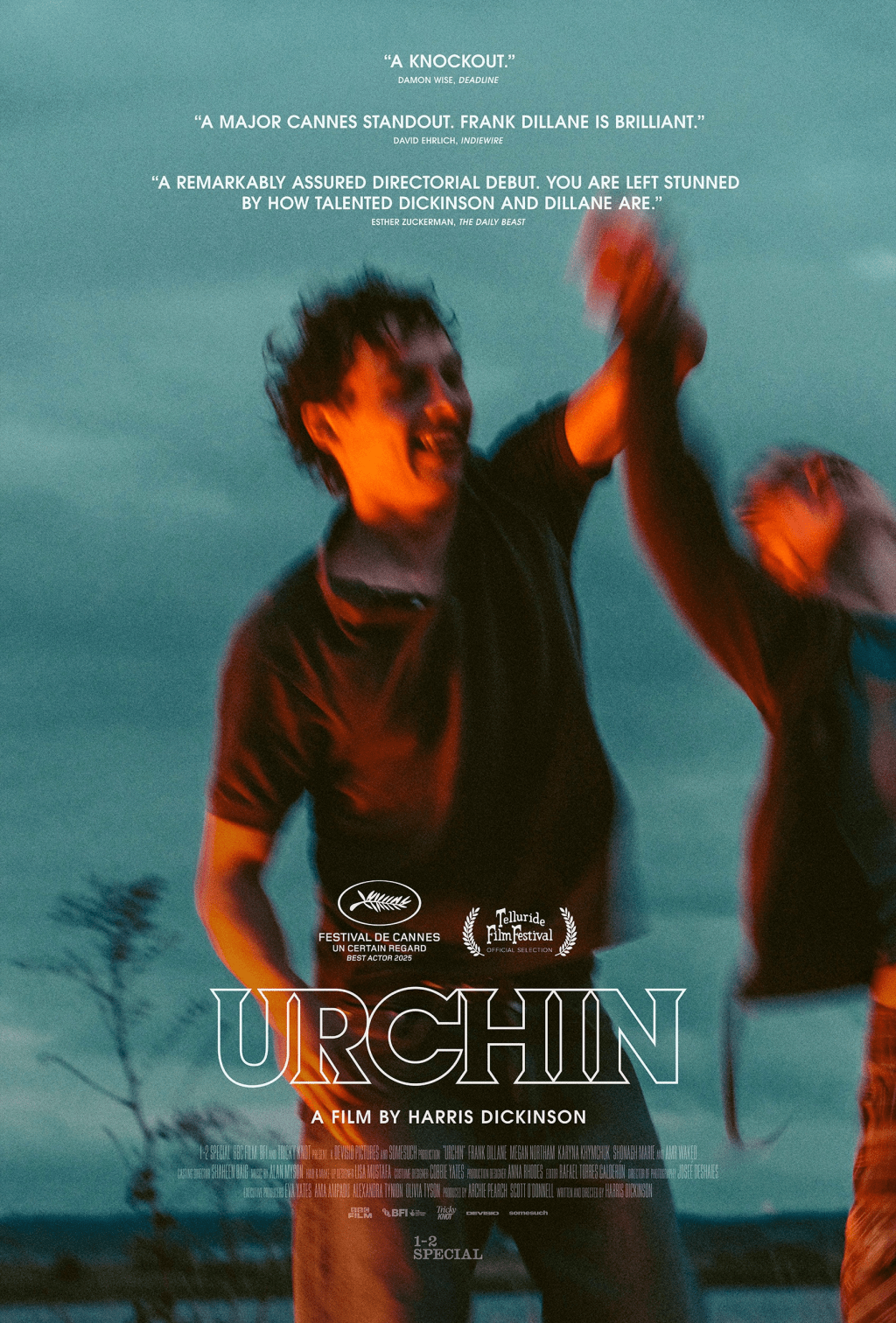
Urchin is a new film set to hit theaters on October 17, following a limited release on October 10. Before its theatrical run, the film premiered at this year’s Cannes Film Festival, where it drew considerable attention — not just for its subject matter, but because it marks the feature-length directorial debut of Harris Dickinson. Written and directed by Dickinson, the film stars Frank Dillane, Megan Northam, Karyna Khymchuk, Shonagh Marie, Amr Waked, and Dickinson himself. The story follows a young addict living on the streets of London who is offered a chance at redemption — but his path to recovery spirals into a surreal and haunting odyssey from which he may never return.
I hadn’t heard about Urchin until its Cannes premiere, but it quickly grabbed my attention — largely because it’s Dickinson’s debut as a director. He’s always struck me as an underrated talent, so seeing him step behind the camera was exciting. But what truly drew me in was the casting of Frank Dillane in a lead role that was already generating serious praise. Ever since his departure from Fear the Walking Dead, I’ve been eager to see where his career would go next. While he’s done a few projects here and there, this performance feels like a turning point — a role that could finally earn him the recognition he’s long deserved as one of the finest working actors today.
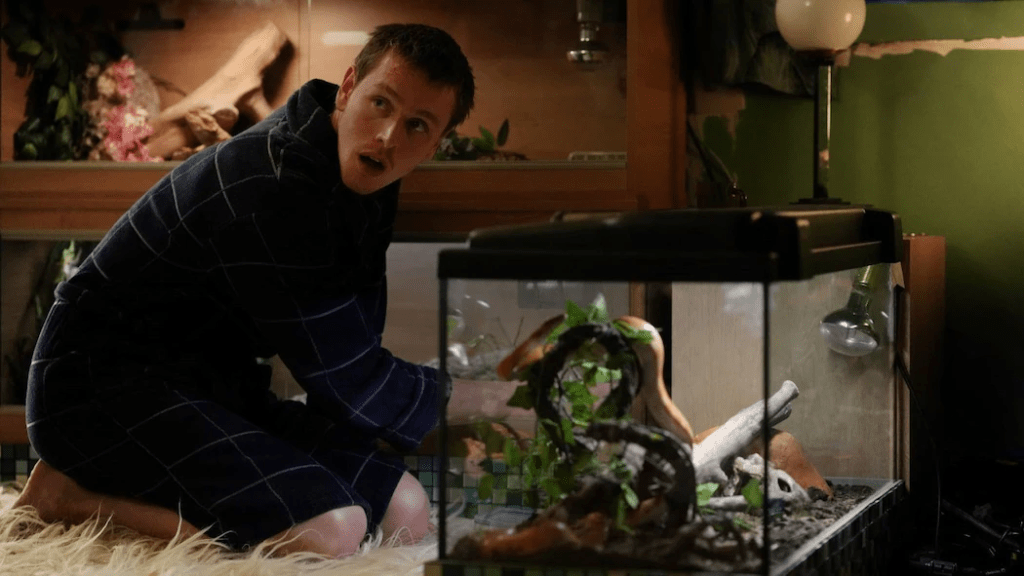
The first three seasons of Fear the Walking Dead remain some of my favorite television — largely because of Frank Dillane. When he left the show, I struggled to understand why, even after he offered a reasonable explanation. But now, after seeing Urchin, his decision makes much more sense. You can feel a strong connection between his character in Urchin and his role on Fear the Walking Dead — it’s almost as if he walked off that set and into this story. The key difference is that here, Dillane seems far more at ease. That comfort likely stems from the space Harris Dickinson gives him to fully inhabit the role. It’s a performance that reaffirms why Dillane is one of my favorite actors working today — and one that deserves far more recognition.
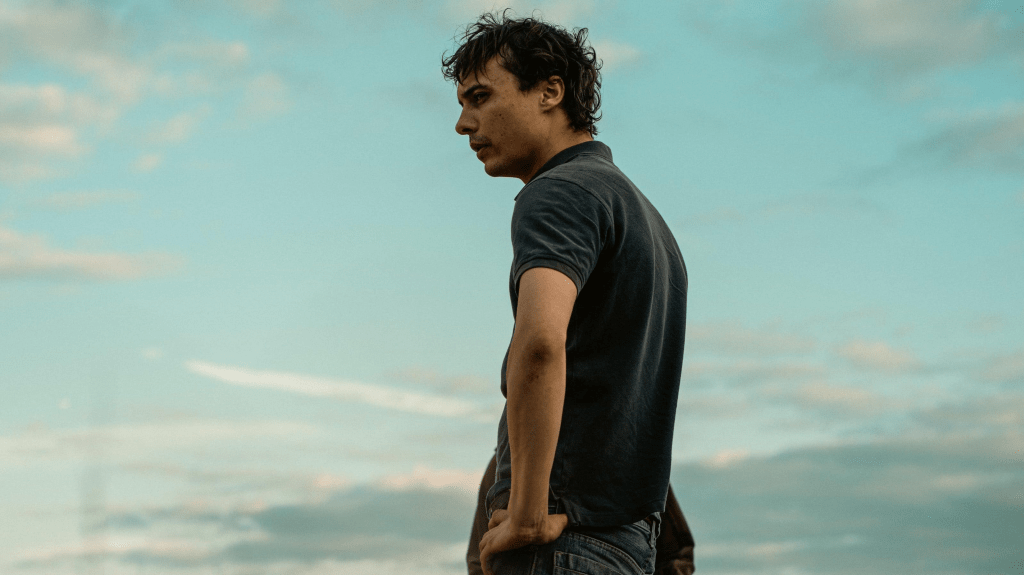
There’s a particular image from the film that’s been circulating online — one I initially thought was of Dickinson himself. While he does appear briefly in the movie, the image in question is actually Dillane. I don’t know much about Dickinson’s personal life, but after watching Urchin, it’s clear he’s poured a lot of himself into this film. Dillane doesn’t just play the character — he seems to dissolve into it, almost becoming a vessel for Dickinson’s vision. Their collaboration feels deeply personal and creatively charged, and I sincerely hope this is only the beginning. I could easily see Dickinson and Dillane evolving into the next great actor-director partnership — something in the spirit of Scorsese and De Niro, or Nolan and Murphy.
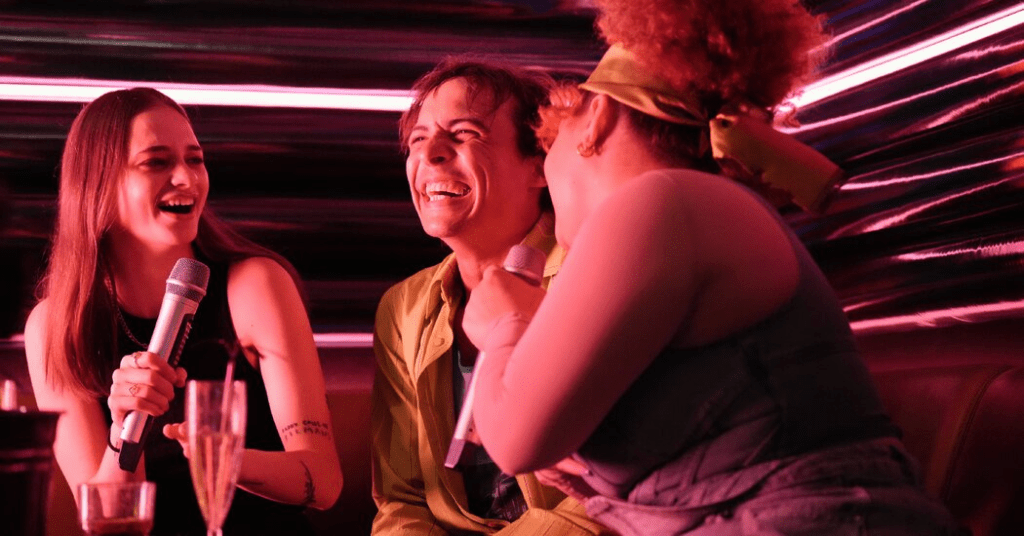
The story stands out within its genre, offering something genuinely unique through both its narrative structure and visual language. If you go in with an understanding of the film’s premise, it’s easier to follow what’s happening — but the beginning, with its slower pace, can feel like it’s holding something back. It isn’t until the second half that the film’s intent becomes fully clear: this is a deconstruction of character development, illustrating the relentless, often unseen cycle of abuse. At first, we don’t fully understand why the character is the way he is — but as the film progresses, and we begin to understand him more deeply, we also begin to see what drives his trauma and self-destruction.
I didn’t expect Dickinson to make the bold visual choices he does here, and honestly, it deepened my connection to the film. He employs a distinct visual style — at times reminiscent of Uncut Gems — that initially caught me off guard. As the film leans further into this aesthetic, it becomes a powerful tool for expressing the main character’s mental state. The style helps you not just understand what he’s going through, but feel it. It resonated with me in a very personal way, especially in how it captures the isolating nature of certain emotions. By doing that, Urchin doesn’t just tell a story about addiction and abuse — it also speaks meaningfully about mental health and the quiet pain that often comes with it. In that sense, it makes you feel a little less alone.
The third act of Urchin will either floor you or leave you wanting more. As the film began to fade to black, I remember thinking: If this is truly the end, I’m okay with that. But I also felt that if Dickinson chose to take it one step further — to end on a different note — I’d be okay with that too.
He does, in fact, end the film there — and it’s a bold choice. The final image lingers, seared into your memory. It powerfully reinforces the film’s themes of addiction, abuse, and the deep isolation they create. It’s the kind of closing moment that demands reflection and invites interpretation.
Dickinson isn’t aiming to entertain in a traditional sense. His goal is to spark dialogue — to make you sit with the discomfort, to think about what you’ve seen, and to examine what it says about cycles of pain and survival. Urchin leaves you with more than just an impression; it leaves you with questions worth discussing — and that’s what makes it so affecting.

Overall, Urchin stands as one of the best films of the year, thanks largely to Frank Dillane’s outstanding performance and the space Harris Dickinson gives him to fully inhabit the role. The film’s visual language lingers long after the credits roll, offering plenty to reflect on. With any luck, Urchin will gain the recognition it deserves as we head into awards season.
VERDICT: 4.5/5 – Amazing
 The Creative Cinematic Collection
You must be logged in to post a comment.