
The Perfect Neighbor is a gripping new documentary set to release on Netflix on October 17. Prior to its streaming debut, it premiered at this year’s Sundance Film Festival and had a limited theatrical release on October 10. Told through chilling bodycam footage from numerous police visits, the film documents a tight-knit community’s struggle with a neighbor whose persistent harassment spirals into a tragic, fatal crime.
I first came across the film on social media, and it immediately caught my attention. When I saw it was part of this year’s Sundance lineup, it made perfect sense. Netflix has a strong track record of recognizing powerful stories at festivals and turning them into breakout hits. With its compelling concept and chilling real-life basis, The Perfect Neighbor has the potential to resonate widely—and possibly build the kind of momentum that leads to a serious awards push.

I rarely come across a bad documentary—most tend to be either good or exceptional—and The Perfect Neighbor definitely falls into the exceptional category. When I learned how it was assembled, I was immediately reminded of the Oscar-nominated short Incident, which also used bodycam and surveillance footage to tell a real-time story. The Perfect Neighbor takes that approach even further, creating an experience that feels both expansive and deeply immersive.
I’ve lived in the Orlando area since 2018, and I was honestly surprised I hadn’t heard about this incident, especially since it happened just two years ago. But that also speaks to the overwhelming amount of gun violence we see today—it’s difficult, even heartbreaking, to keep up with it all. What’s truly remarkable is how much footage the filmmakers were able to gather in such a short time. It’s a testament not only to the nature of the case but also to the crew’s resourcefulness in assembling a film that feels both timely and thoroughly constructed.
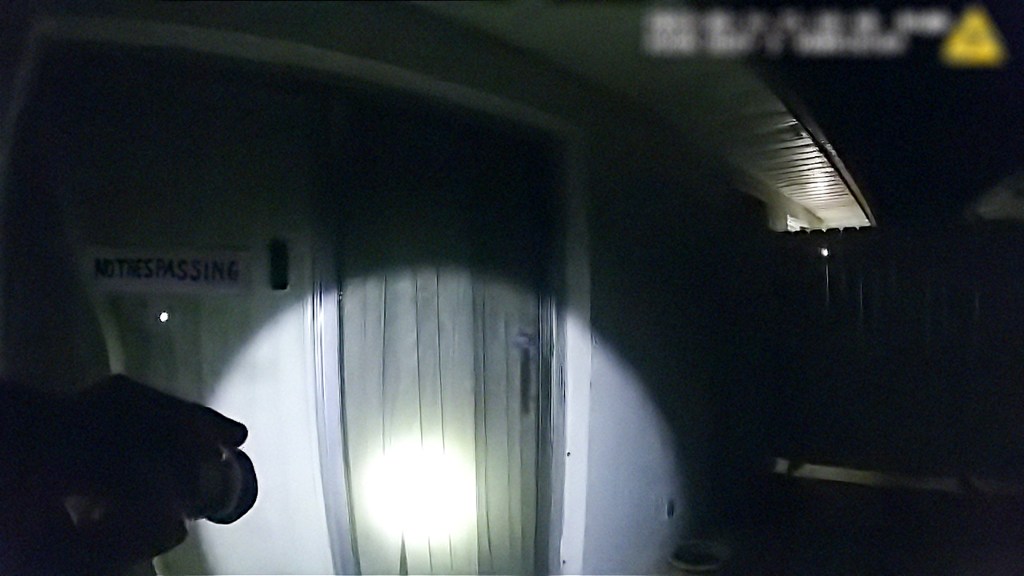
The film has a lot to say thematically, which is why I believe it has the potential to become a major hit for Netflix. In a time when violence and hate seem to be escalating, having a documentary like this readily accessible on a global platform makes it essential viewing—especially if it receives an Oscars push. At times, it can feel like we’re powerless in the face of today’s overwhelming violence, but films like The Perfect Neighbor have the potential to raise awareness and spark meaningful dialogue. That, in itself, can be a powerful step toward change.
The film also takes a hard look at Florida’s Stand Your Ground laws, which remain a controversial and widely used defense in the state. This law allows individuals to use deadly force if they believe they’re facing an imminent threat of death or serious harm. Without the technology—bodycams, surveillance footage, and recordings—it’s not hard to imagine how the person at the center of this story might have gone unpunished. By leveraging that footage, the documentary highlights the dangers and potential abuses of such laws, offering a chilling but necessary critique.
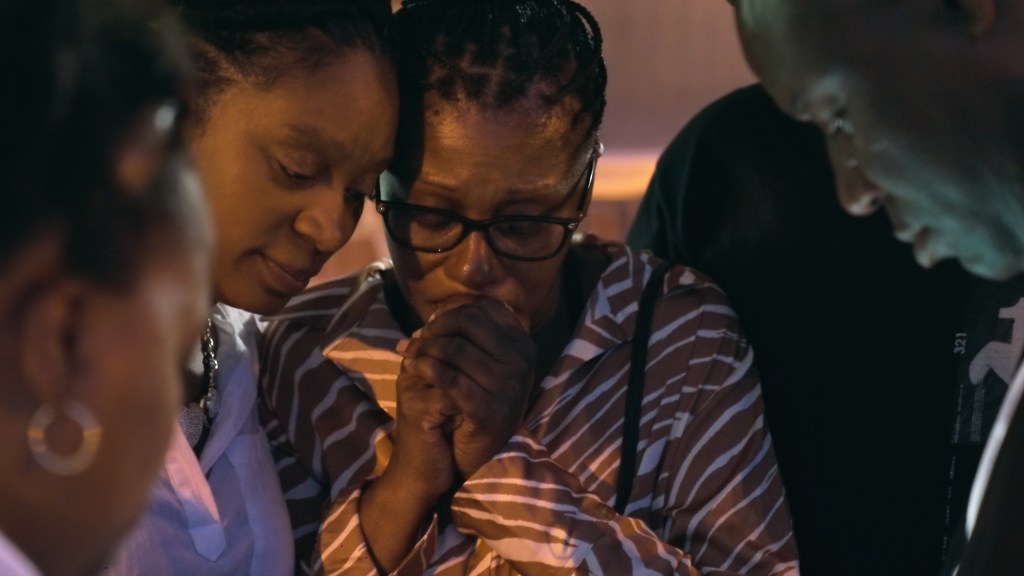
The victim at the center of this real-life story, Ajike Owens, was actually the best friend of director Geeta Gandbhir’s sister-in-law. When the incident occurred, Gandbhir’s partner and the film’s producer, Nikon Kwantu, traveled to Florida out of concern that the suspect, Susan Lorincz, might try to invoke the state’s Stand Your Ground law. Lorincz clearly held prejudiced views toward people who didn’t look like her—and the film does a powerful job unraveling the inconsistencies in her story. It becomes evident that her actions were fueled by bias, and that her hate exploited the gaps in Florida’s legal system. One of the most striking moments is when Lorincz’s own nephew speaks out about the dangers of firearms, adding another layer of weight to the film’s message.
What holds the film back from being truly perfect is also what makes it so powerful: how emotionally difficult it becomes to watch toward the end. It’s essential viewing, but absolutely heartbreaking. Personally, I don’t think I could watch it again—but I do believe everyone should see it at least once. The final 30 minutes, after the central incident, are especially tough. They’re necessary in driving home the film’s message, but they’re also deeply frustrating—particularly when you realize how long it took for Lorincz to be held accountable in any meaningful way.
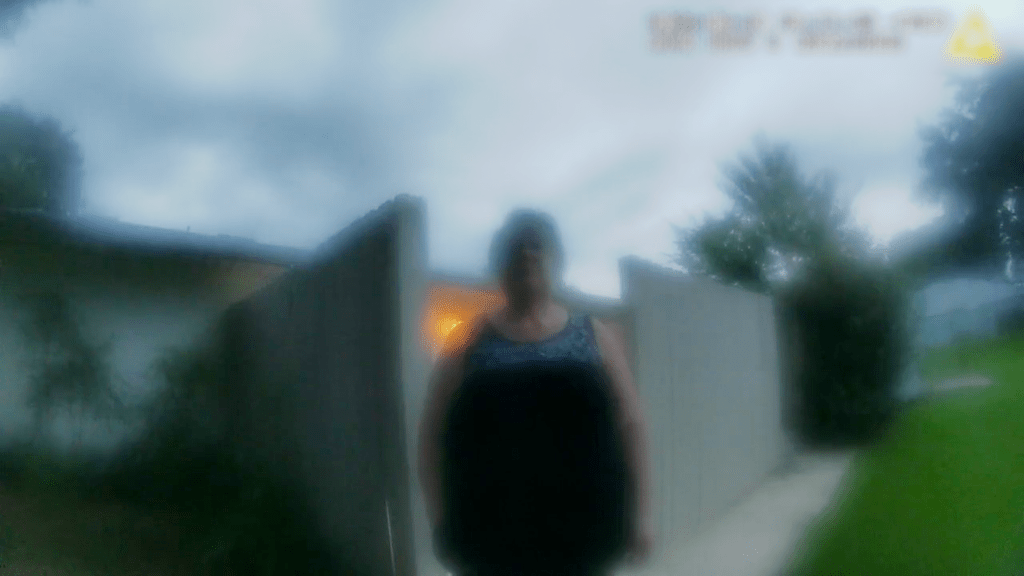
Overall, The Perfect Neighbor is as essential as it is difficult to watch. It’s the kind of film that demands attention—not just for its storytelling, but for the urgent conversations it can spark. As awards season approaches, I hope it continues to gain momentum and reach a wider audience. While I don’t think I could bring myself to watch it again, that doesn’t take away from its power. This is one of the most important films of the year—and one I believe everyone should see.
VERDICT: 4.5/5 – Amazing
 The Creative Cinematic Collection
You must be logged in to post a comment.