
Train Dreams is a new film now streaming on Netflix, following its world premiere earlier this year at the Sundance Film Festival. Written by Clint Bentley and Greg Kwedar and directed by Bentley, the film stars Joel Edgerton, Felicity Jones, Clifton Collins Jr., Kerry Condon, and William H. Macy. Set in early 20th-century America, it follows a logger whose quiet life is shaped by profound love, devastating loss, and the sweeping changes of a country in transition.
It’s been ten months since Train Dreams first debuted, and as momentum has built toward its official Netflix release, it seems like everyone has been buzzing about it. The overwhelmingly positive reception even had me adding it to my early predictions for the Academy Award for Best Picture. After finally watching the film, I still believe it has a strong chance. And if it does receive a nomination, it would be one I’d wholeheartedly support.
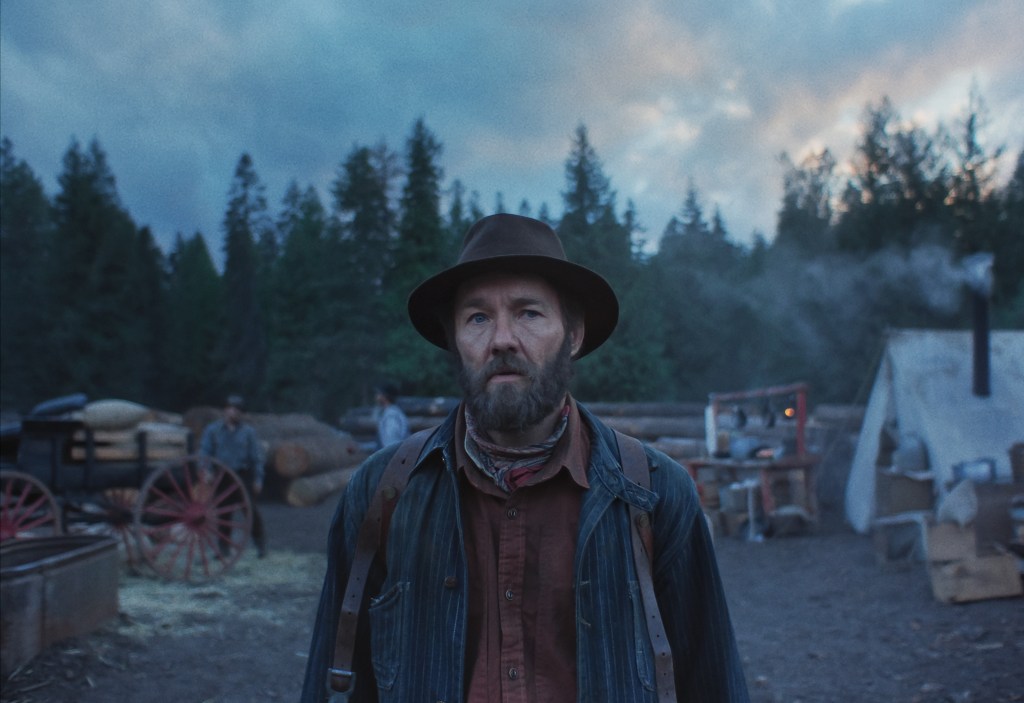
Ever since I first watched Perfect Days a few years ago, the film has stayed with me. Its impression is so strong that I often find myself drawing comparisons to it when watching other films. Based on the imagery from Train Dreams, I was hoping it might serve as an American counterpart to Perfect Days. While that connection is certainly there, others may just as easily point to influences like Terrence Malick. And though the film may draw inspiration from multiple sources, the finished work ultimately feels unlike anything I’ve seen before.
Films of this type often run well over two hours, and I’ve even seen Train Dreams compared to last year’s The Brutalist. The difference here is that Train Dreams comes in under the two-hour mark—an impressive accomplishment considering how much story and characterization it contains. The protagonist endures profound hardships, many of them without clear answers, and what sustains him is the world around him. Whereas Perfect Days is steeped in Japanese culture, Train Dreams taps into a bygone American one, reminding us how much we’ve forgotten to appreciate the landscapes and rhythms that once defined everyday life. In that sense, I hope the film receives the recognition it deserves here in America.

Joel Edgerton has accomplished a great deal over the course of his career, yet it’s hard to pinpoint a single film that undeniably launched him into stardom. He’s appeared in many notable projects, but I still think he made one of his strongest early impressions in 2012’s Zero Dark Thirty. Thirteen years later, he has built an impressive body of work—but Train Dreams might feature one of his finest performances yet. Every moment his character endures carries a palpable emotional weight, making it easy for the audience to connect with both him and the film.
The supporting cast is equally strong, enhancing the film without ever overshadowing Edgerton. William H. Macy delivers one of the year’s most memorable turns. Felicity Jones brings a warmth that immediately explains why her character is so cherished. And Kerry Condon’s role, though more understated, meaningfully propels the story forward. The entire ensemble works beautifully with the script, which even allows for moments of natural, understated humor that never diminish the drama.
It’s remarkable that the film runs under two hours, given how full and lived-in it feels. I only wish I’d been able to experience it in a theater—Train Dreams seems like the kind of film that would have been truly stunning on the big screen.
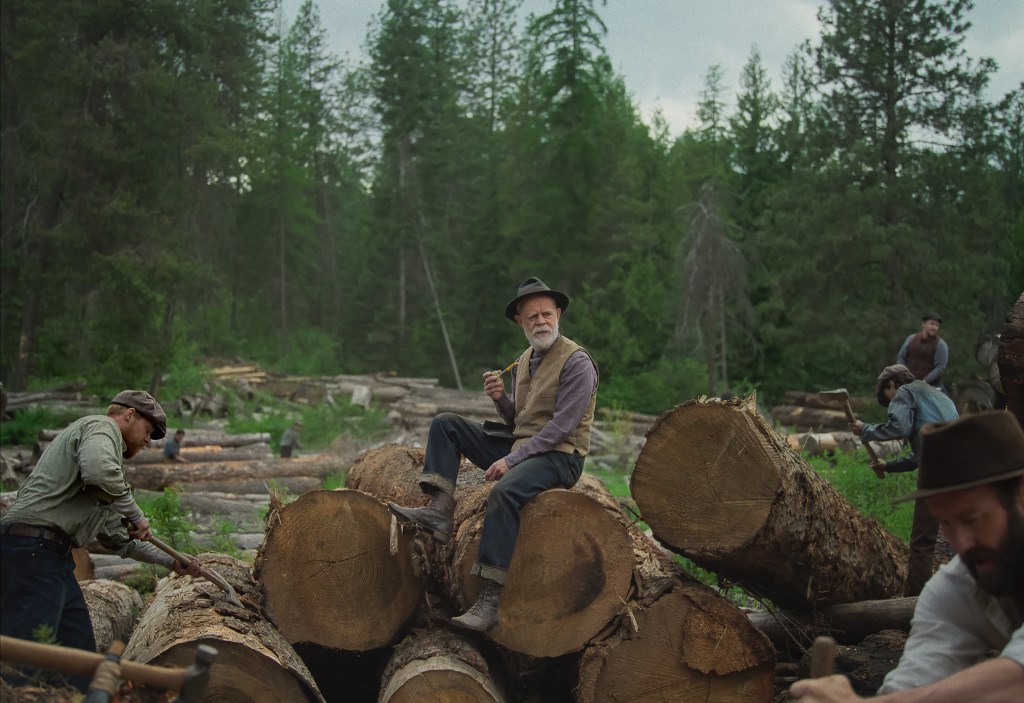
The cinematography is stunning from start to finish, beautifully emphasizing the landscape’s significance during this era. Paired with meticulous production design, the film feels completely authentic; not once does it break the sense of immersion or suggest anything other than the time period it depicts. Complementing the visuals is one of the year’s most evocative scores—rich, emotional, and perfectly attuned to the film’s tone.
It’s genuinely difficult to find a single major flaw; this is as close to a perfect film as I’ve seen. If I had to be particular, there’s one scene near the end that feels important yet doesn’t fully commit to what it seems to be reaching for. It still nudges the protagonist in the right direction, but the moment feels slightly abbreviated, as though it has more to say than it’s given time to express. I plan to revisit the film before the year’s end, and I suspect that scene may resonate differently on a second viewing.

Overall, Train Dreams is a near-perfect masterpiece that vividly captures early 20th-century America, conveying the emotions and struggles of the people who lived during that time. It’s a quiet, meditative period piece, elevated by breathtaking cinematography and a beautifully composed score. While I wish I had experienced it in theaters, that shouldn’t stop anyone from watching it now on Netflix.
VERDICT: 4.5/5 – Amazing
 The Creative Cinematic Collection
You must be logged in to post a comment.