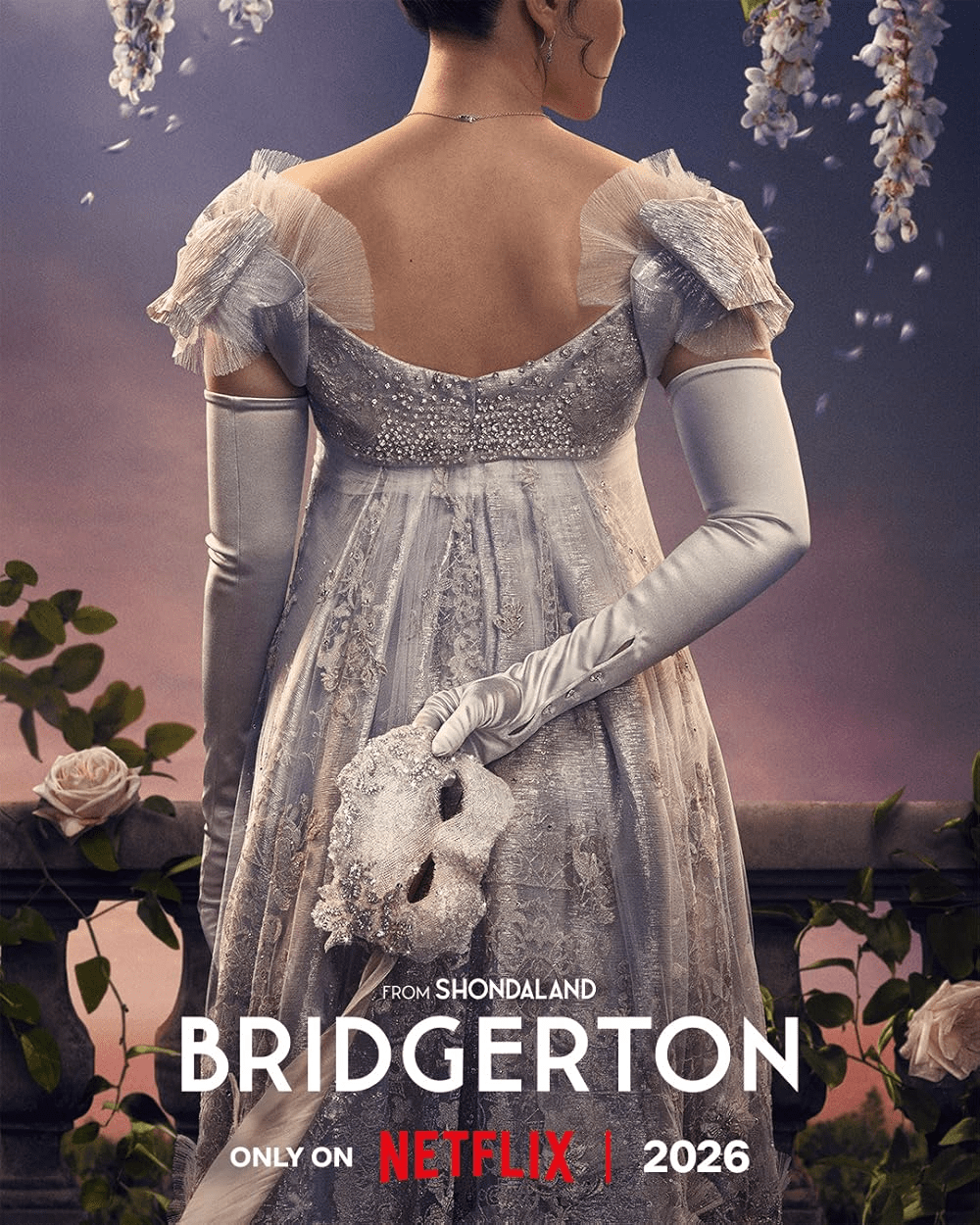
Part one of Bridgerton’s fourth season is now streaming on Netflix, comprising the first four episodes. Created by Chris Van Dusen, the season stars Victor Alli, Adjoa Andoh, Lorraine Ashbourne, Nicola Coughlan, Hannah Dodd, Daniel Francis, Ruth Gemmell, Yerin Ha, Florence Hunt, Martins Imhangbe, Claudia Jessie, Katie Leung, Emma Naomi, Luke Newton, Golda Rosheuvel, Hugh Sachs, Luke Thompson, Polly Walker, with Julie Andrews returning as the iconic narrator. This chapter shifts its focus to Benedict Bridgerton, the bohemian second son. While both his older and younger brothers have found marital bliss, Benedict is determined to resist settling down—until a chance encounter with a mysterious Lady in Silver at his mother’s masquerade ball changes everything.
I never expected to find myself reviewing any season of Bridgerton. When the series first premiered, it didn’t particularly appeal to me. That changed after my wife introduced me to Apple TV+’s The Buccaneers, a show I ended up enjoying far more than anticipated, especially with its more grounded second season. That experience eventually convinced me to give Bridgerton a shot. I watched the first three seasons, followed by the prequel spin-off Queen Charlotte, before diving into this latest installment. While no season has been outright bad, my personal ranking from weakest to strongest—this one included—would be: Season 2, Season 4 (Part One), Queen Charlotte, Season 3, and Season 1. Judging by the broader fan response, though, opinions vary wildly, and that diversity of perspective is part of what keeps Bridgerton a global phenomenon.

It feels as though Bridgerton is beginning to venture into territory where its central characters aren’t quite as compelling as those spotlighted in the first three seasons. With several of the show’s strongest personalities now relegated to the sidelines—or absent altogether—that shift is noticeable. Still, the series remains impressively effective at keeping viewers invested. Even as someone who isn’t typically drawn to love stories, I found there were more than enough twists, turns, and sheer spectacle to hold my attention.
I’m not sure how much Netflix allocates to each season of Bridgerton, but it wouldn’t be surprising if the budget were virtually limitless. Given that nearly two years pass between seasons of the flagship series, the show benefits from a sense of continuity, often feeling as though it picks up right where it left off. The practical production design remains one of Bridgerton’s greatest strengths. While I’m generally indifferent to visual effects, the series excels at immersion—though the rapid transitions between locations can occasionally be the most visually jarring element.

Luke Thompson and Yerin Ha step into the spotlight this season as Benedict Bridgerton and Sophie Baek, respectively. Looking back at prior seasons, Benedict never truly stood out within anyone else’s story, which makes his long-delayed turn as the lead particularly interesting. At this stage, it felt like a now-or-never decision. Choosing to focus on him now proves to be the right call, as Thompson is beginning to stretch the character’s believability as a romantic lead if the series were to wait much longer. Opposite him, Yerin Ha makes a strong impression as newcomer Sophie Baek—a character many viewers are likely to fall for. Her reluctance to embrace love feels earned, given everything she endures. Together, Thompson and Ha share compelling chemistry and, more importantly, shine brightly enough to make this central romance work.
The foundation of the story leans heavily into the Cinderella trope. From Sophie’s descent into servitude to her fateful meeting with Benedict, the narrative beats are familiar in a way that offers the audience a sense of comfort. That said, the season isn’t afraid to take creative liberties, particularly in the fourth episode. I’d been warned that something deeply unsettling was coming, yet nothing could have prepared me for it. While I can’t say I was entirely surprised, I was still frustrated by Benedict’s words to Sophie. It feels as though he’s clinging to her as a means of staying within a version of himself he feels safe inhabiting, which ultimately blinds him to Sophie’s perspective and needs. Hopefully, the second part of the season allows him the growth required to meet her where she stands. Given the density of detail and the volume of twists, splitting the season into two parts feels like an obvious—and necessary—choice. If nothing else, audiences will need the breather before what comes next.

Much like previous seasons, this one excels at laying the groundwork for future storylines. One of the more compelling developments involves Francesca, whose arc finds her falling in love with her husband’s cousin, Michaela—messy, complicated, and deeply human. The series notably gender-swaps the character from the source material, where the love interest is male, and the change feels thoughtfully executed. For the time in which the show exists, I appreciate how Bridgerton embraces the idea that these characters deserve happiness with whomever they fall in love with.
Ruth Gemmell continues to deliver some of the season’s strongest moments as Lady Violet Bridgerton. Watching an older character rediscover what it means to be young and in love again is both refreshing and well-earned, and of all the characters, Violet feels especially deserving of that joy.
After having recently watched Queen Charlotte, the purpose of that spin-off becomes even clearer here. It feels like essential viewing to fully understand the dynamic between Queen Charlotte and Lady Agatha Danbury. Their chemistry is particularly affecting when it’s revealed that Danbury wants to leave, leaving Charlotte to confront an even deeper sense of loneliness. I also appreciate how the show continues to use Nicola Coughlan’s character. Rather than sidelining her after the resolution of her story last season, Bridgerton finds creative ways to keep her meaningfully involved. Now that her secret is out, it allows the rest of the ensemble to engage with her more openly, strengthening the sense of community within the narrative.
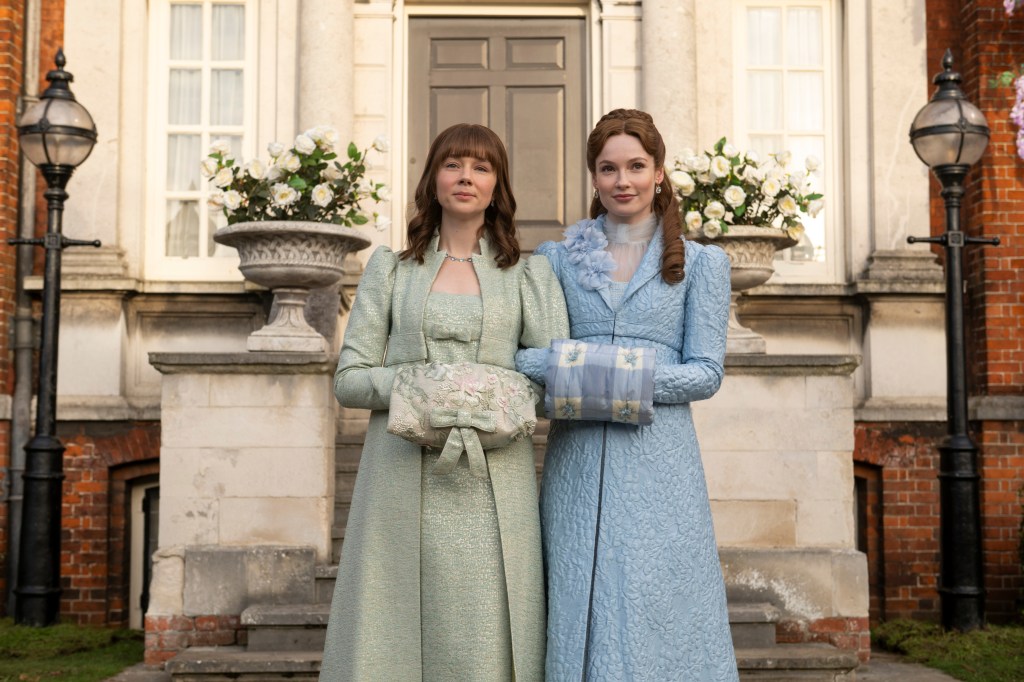
Overall, part one of Bridgerton’s fourth season genuinely surprised me. Even six years in, the series continues to deliver unexpected turns while honing in on the right characters and giving them the space to shine and grow. This is a show I’d readily recommend to anyone seeking engaging storytelling and meaningful character development. It’s already clear that Bridgerton is the kind of series built to stand the test of time.
VERDICT: 4/5 – Great
 The Creative Cinematic Collection
You must be logged in to post a comment.