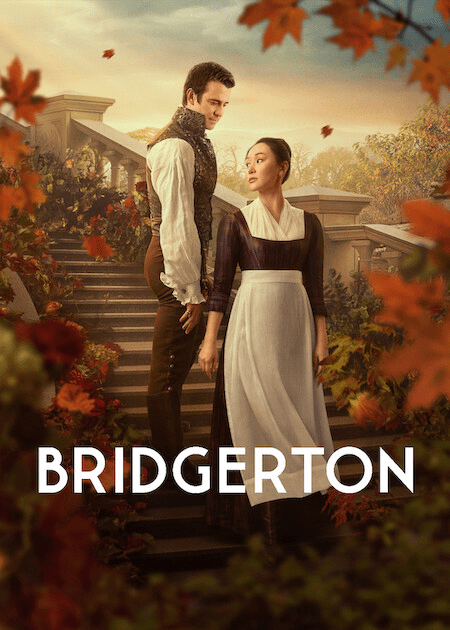
Several months ago, my wife finally convinced me to start reviewing the shows she’s talked me into watching — the ones I probably never would have pressed play on without her recommendation. So far, that list includes The X-Files, Pretty Little Liars, Bones, and now this show. About a year ago, she also introduced me to The Buccaneers on Apple TV, which in many ways felt like a gateway into finally diving into Bridgerton. I watched the first half of the newest season when it premiered last month (you can check out my review of that as well), and I was especially eager to see how the story would unfold after that jaw-dropping moment at the end of Part One’s finale.
Recently, Netflix has been splitting some of its flagship series into two parts — a strategy I actually support instead of dropping an entire season all at once. It gives viewers time to process the story, discuss theories, and let the anticipation build. With my ever-growing watchlist, I’d still prefer a weekly release model, but this compromise works. What makes this particular split so effective is how distinct each half feels. The first part serves as careful buildup, laying the emotional and narrative groundwork. The second part, in contrast, delivers the payoff — resolving lingering tensions and bringing earlier storylines to a satisfying conclusion.
This season feels markedly different from anything the series has done before — the spin-off included. What stands out most is how expansive the storytelling has become. While the central romance remains the emotional anchor, there’s a rich tapestry of storylines unfolding around it, each one essential to the show’s forward momentum. Nothing feels disposable. The lingering fallout from Lady Whistledown continues to ripple through the ton, culminating in a late-season revelation that’s sure to spark plenty of speculation. Rather than sidelining Nicola Coughlan as Penelope Bridgerton, the series smartly deepens her role. Her journey doesn’t end with one romantic resolution; instead, it evolves in ways that add new layers to her character and reinforce her narrative importance.
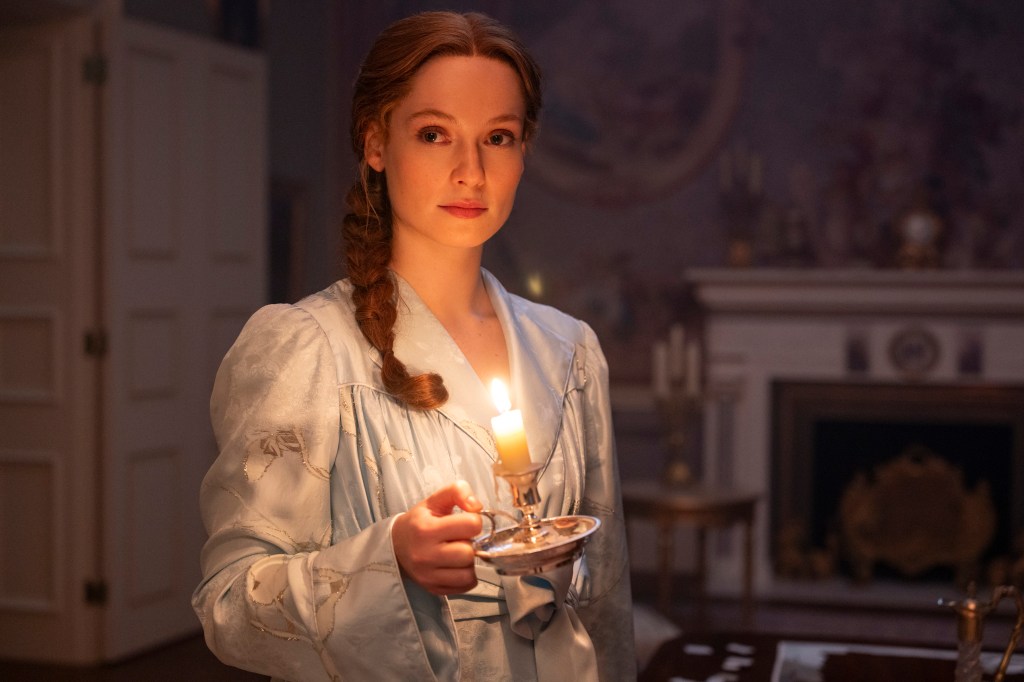
We also spend significantly more time with Francesca Bridgerton, played by Hannah Dodd. The season takes a bold and unexpected turn from its own source material in its handling of a key figure in Francesca’s story — a creative choice that adds emotional and thematic complexity to the series as a whole. Even without a season officially centered on her, this chapter often feels like Francesca’s story in its own right. In many ways, her arc subtly mirrors elements of her mother’s past, hinting at a layered and potentially transformative path ahead. It will be fascinating to see where her journey leads next.
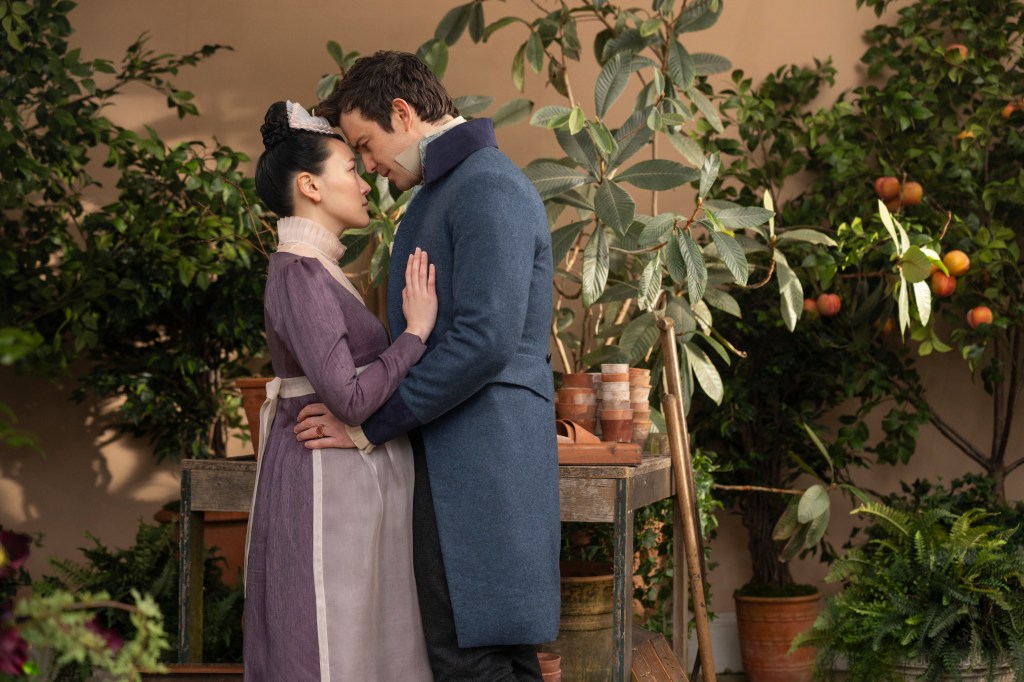
The emotional centerpiece of this half of the season rests squarely on Sophie Baek and Benedict Bridgerton, portrayed by Yerin Ha and Luke Thompson, respectively. Following the Part One finale, we gain much-needed clarity about Benedict’s controversial proposal to Sophie. More importantly, we witness genuine growth. He begins to fully grasp the depth of the hurt he caused, and that self-awareness reshapes him into a far more considerate and compelling character in these final episodes.
Sophie, however, is the true revelation here. This stretch of the season solidifies her as one of the show’s most grounded and emotionally resonant figures. I have little doubt she’ll emerge as a fan favorite. Her background gives her motivations real weight, and many viewers will likely see parts of themselves reflected in her struggle. She’s understandably conflicted by her circumstances, yet unwavering in her sense of self and what she deserves. That firm resolve — paired with a quiet vulnerability — makes her stand out in a world often driven by spectacle and status. Given the emotional demands placed on the character this season, it’s clear that Sophie means a great deal to Ha. The performance carries an intentionality and depth that elevates the entire arc, ensuring this storyline feels not only resolved, but earned.
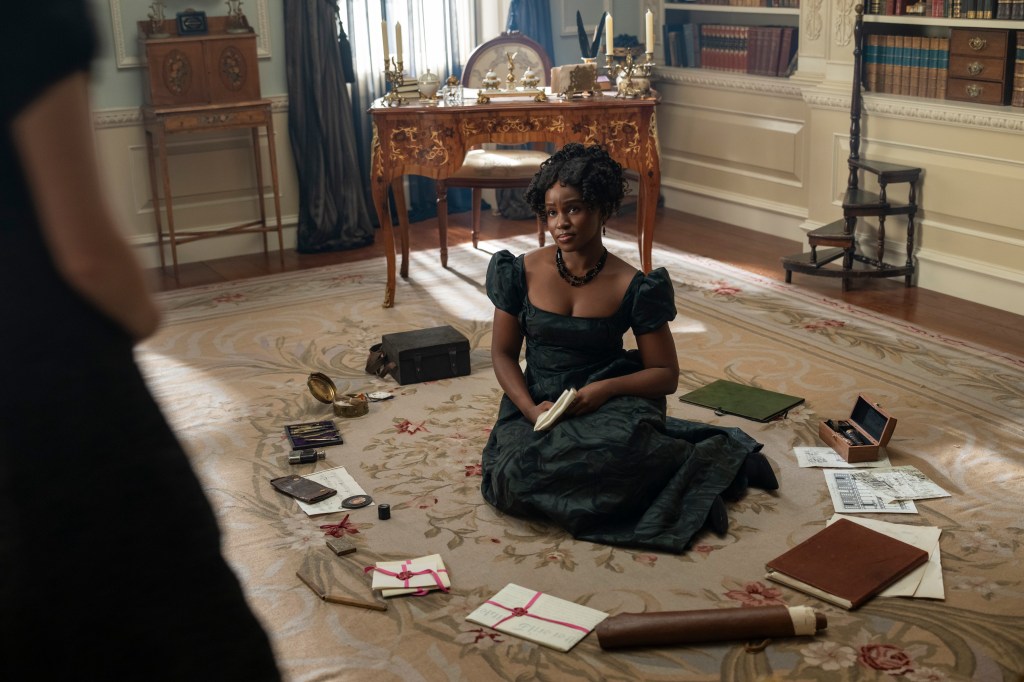
On a technical level, the show continues to impress. The fact that a new season arrives only every two years speaks to the meticulous care the crew takes in fully immersing viewers in the period world. Both the cinematography and the score are striking, each finding inventive ways to convey the scope of the story and the depth of the characters’ emotions.
That said, the series isn’t without minor flaws, though they never undermine the overall experience. While it can be rewarding to linger in each storyline, the fact that every episode this season runs at least an hour occasionally slows the pacing. Some dramatic choices in this half of the season also create small conflicts with previously established character arcs. For instance, Benedict’s family takes an unexpectedly long time to accept his romantic choice, despite prior development that might suggest otherwise. Still, these moments are ultimately framed to deliver a satisfying conclusion — one that subverts expectations and leaves viewers wanting just a little more.
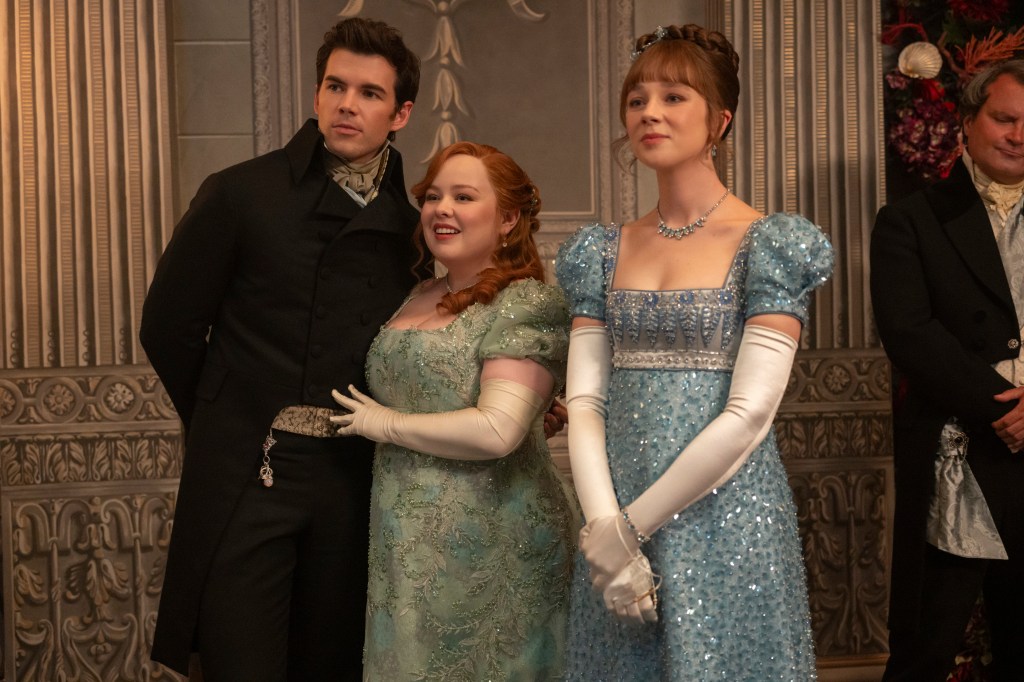
Overall, the second half of Bridgerton Season 4 delivers impressively across the board in just four episodes. Beyond the central romance, the series continues to develop secondary storylines that promise to carry the narrative forward in future seasons. With standout performances, exquisite production design, and a keen attention to emotional nuance, Bridgerton reaffirms why it remains one of Netflix’s most beloved and enduring hits.
VERDICT: 4/5 – Great
 The Creative Cinematic Collection
You must be logged in to post a comment.