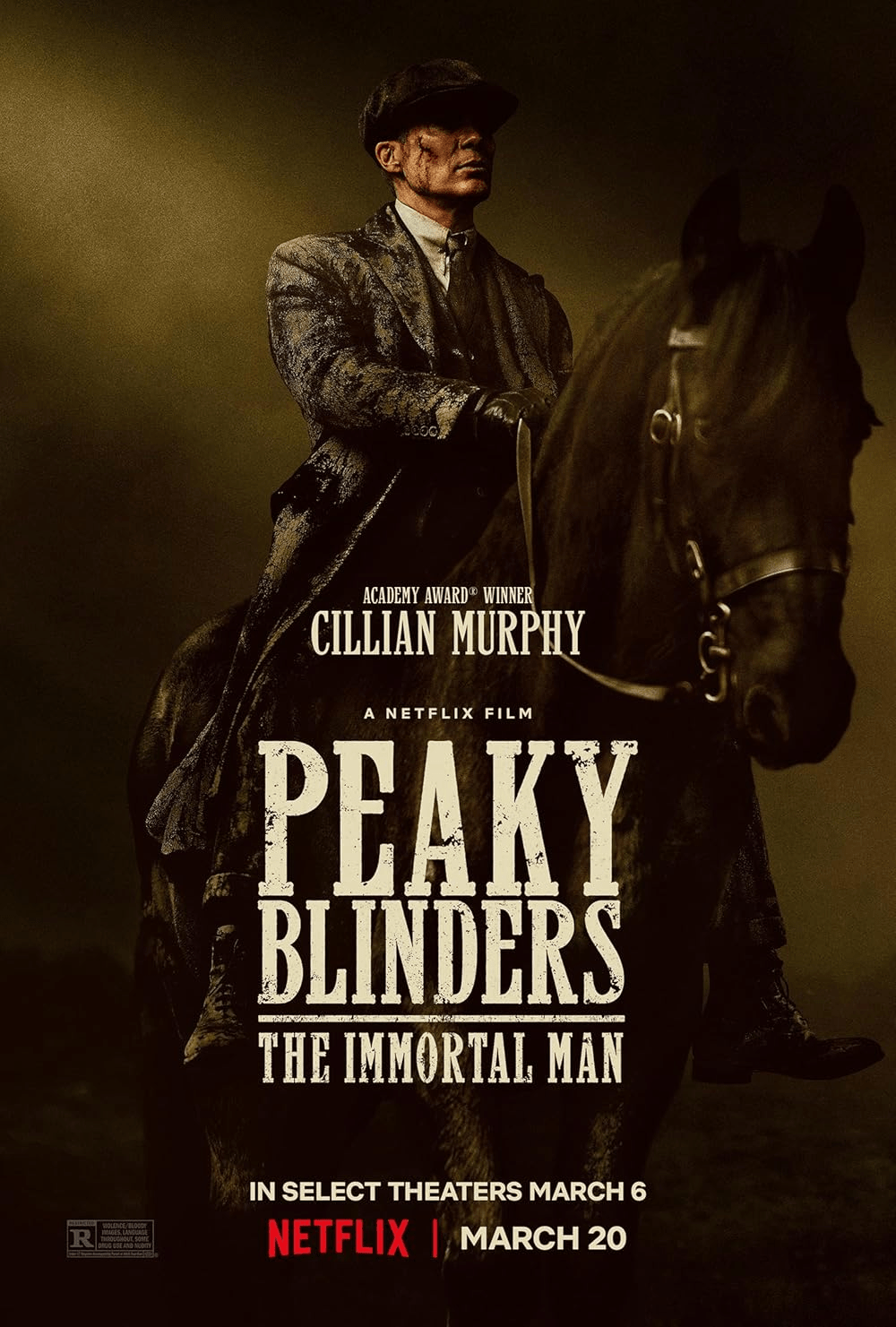
Peaky Blinders: The Immortal Man is a new film set to release in theaters on March 20, serving as a continuation of the acclaimed British television series Peaky Blinders. Written by Steven Knight and directed by Tom Harper, the film stars Cillian Murphy, Rebecca Ferguson, Tim Roth, Sophie Rundle, Barry Keoghan, and Stephen Graham. After his estranged son becomes entangled in a dangerous Nazi plot, the self-exiled gangster Tommy Shelby must return to Birmingham to save not only his family, but his nation.
I first started watching Peaky Blinders several years ago—if I recall correctly, it may have been shortly after Cillian Murphy won the Academy Award for Best Actor for Oppenheimer. It didn’t take long for me to become a fan. Whether you’re already devoted to the series or simply drawn in by the strong cast, there’s plenty here to appreciate. While the film clearly continues the story of the show, it also works surprisingly well for newcomers. The familiar characters and tone remain intact, but the story feels fresh—demonstrating why this world is well-suited for the big-screen treatment.
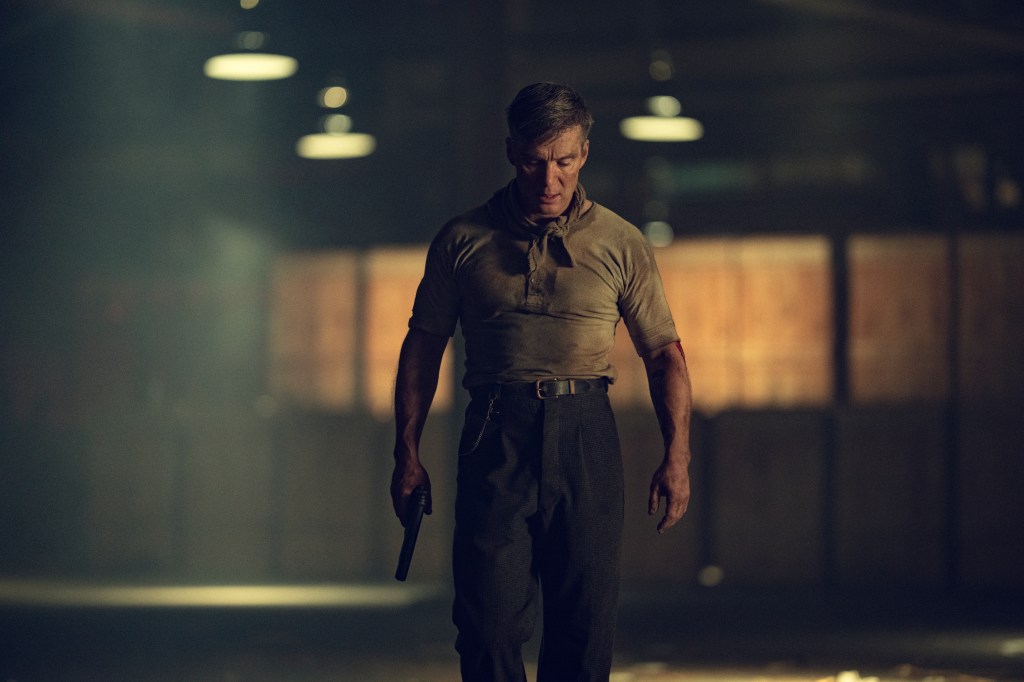
It’s incredibly rare for a television series to receive a proper cinematic conclusion. Often, a planned film continuation never materializes, or when it does, it struggles to live up to the heights of the original show. Peaky Blinders: The Immortal Man manages to find a middle ground—respecting the legacy of Peaky Blinders while embracing the scope and scale of its new medium. The familiar characters and signature tone remain intact, while the new storyline allows the film to stand on its own rather than simply feeling like an extended episode.
Set several years after the events of the series, the film finds Tommy Shelby living in isolation. Much of the first half unfolds as a deliberate slow burn, gradually guiding him back toward the man he once was. Time has made him wiser and more calculated, but when tragedy strikes, the hardened leader audiences recognize begins to re-emerge.
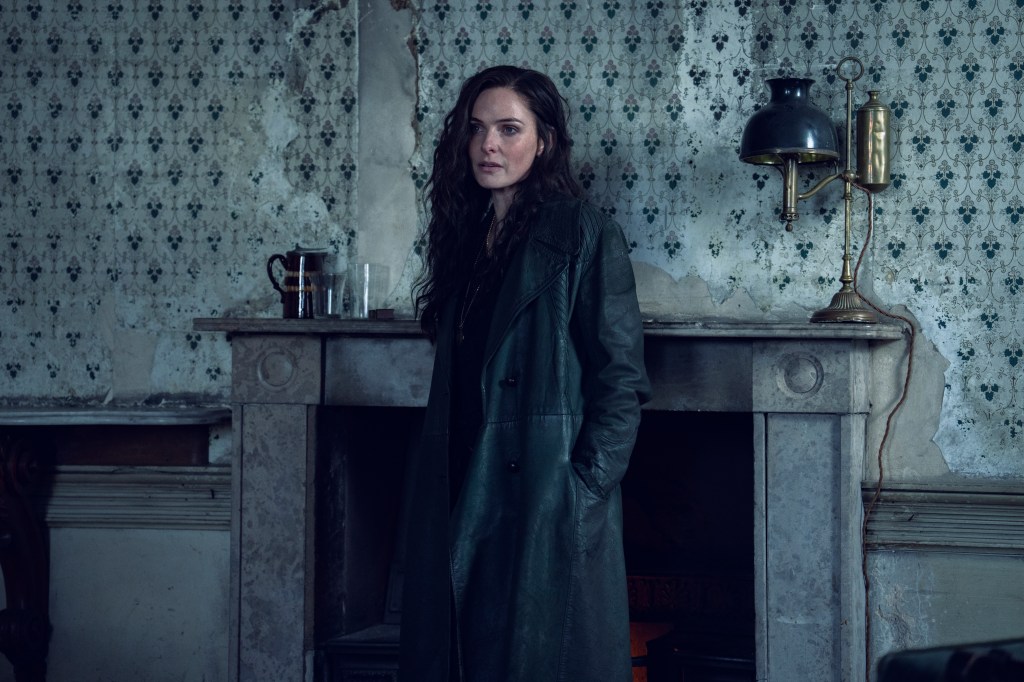
The film’s structure almost feels like two episodes condensed into a single feature. The first half is deliberately paced, allowing Tommy Shelby to slowly rediscover himself as the story develops organically. However, by the time he fully reclaims that identity, less than an hour remains, causing the second half to feel noticeably rushed. There’s plenty of compelling material in this latter portion, but the deeper character development that defined Peaky Blinders is somewhat missing here.
That said, the performances themselves are strong across the board. Rebecca Ferguson leans confidently into her character’s defining traits, while Barry Keoghan makes a memorable impression as Tommy’s son. Tim Roth delivers a compellingly villainous performance, and it’s also a welcome return for Stephen Graham. The supporting characters all serve clear narrative purposes and help propel the story forward, but the film ultimately remains focused almost entirely on Tommy. As a result, there isn’t quite enough time to build the kind of dynamic relationships that allowed the show’s supporting cast to stand out so strongly.

It’s unfortunate that I didn’t get to experience this film in theaters. One of the defining elements of the series was its adrenaline-fueled score, which would have been even more powerful on the big screen. The film also embraces a noticeably more cinematic visual style, one that feels designed for a theatrical presentation. Even if the film occasionally limits deeper character development, it still makes strong use of its runtime, unfolding with a clear and satisfying three-act structure that feels complete.
Without revealing spoilers, I was both surprised and genuinely moved by the film’s ending. The climactic showdown delivers the expected intensity, but it’s the final moments that truly resonate. The conclusion feels like a fitting and respectful send-off to a story I became deeply invested in. While there has been discussion of a potential spinoff, it may not feel necessary after such a strong sense of closure.
Above all, Cillian Murphy fully embodied Tommy Shelby, transforming him into a complex, deeply flawed character whom audiences could still understand and sympathize with. Murphy’s performance was instrumental in shaping the identity and success of the series, helping make Peaky Blinders the impactful story it became.
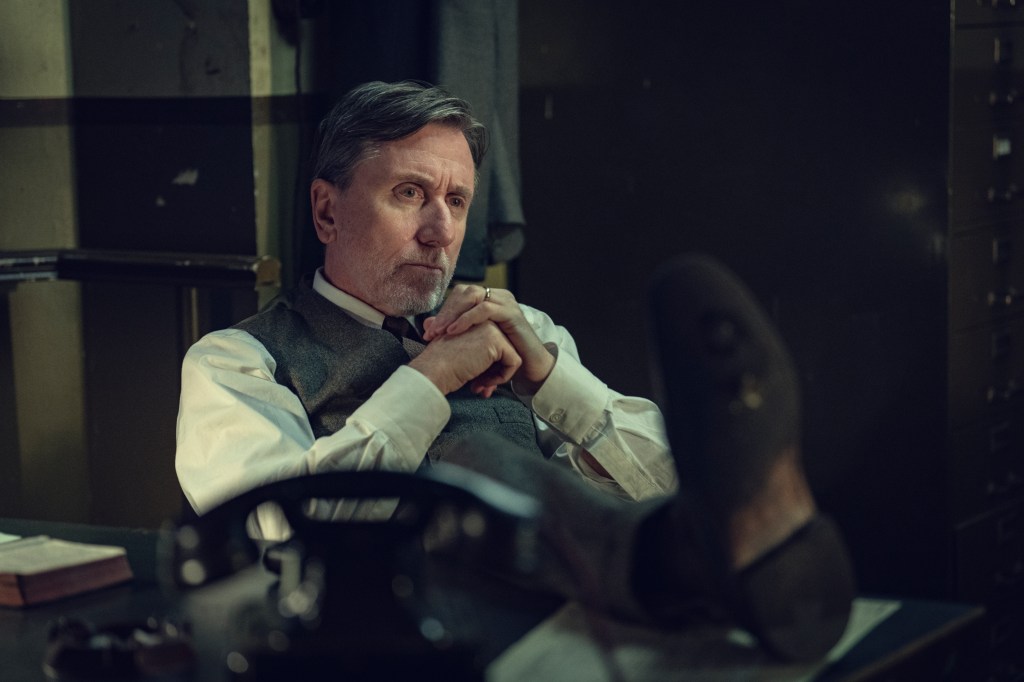
Overall, Peaky Blinders: The Immortal Man delivers a satisfying continuation of the series while also succeeding as a standalone film. Cillian Murphy steps back into the iconic role as if he never left, fully embodying Tommy Shelby once again. Although some supporting characters could have benefited from deeper development, each performance fits seamlessly within the show’s established tone and atmosphere. For longtime fans, the film offers a rewarding and emotionally satisfying conclusion that feels true to the world it continues.
VERDICT: 4/5 – Great
 The Creative Cinematic Collection
You must be logged in to post a comment.