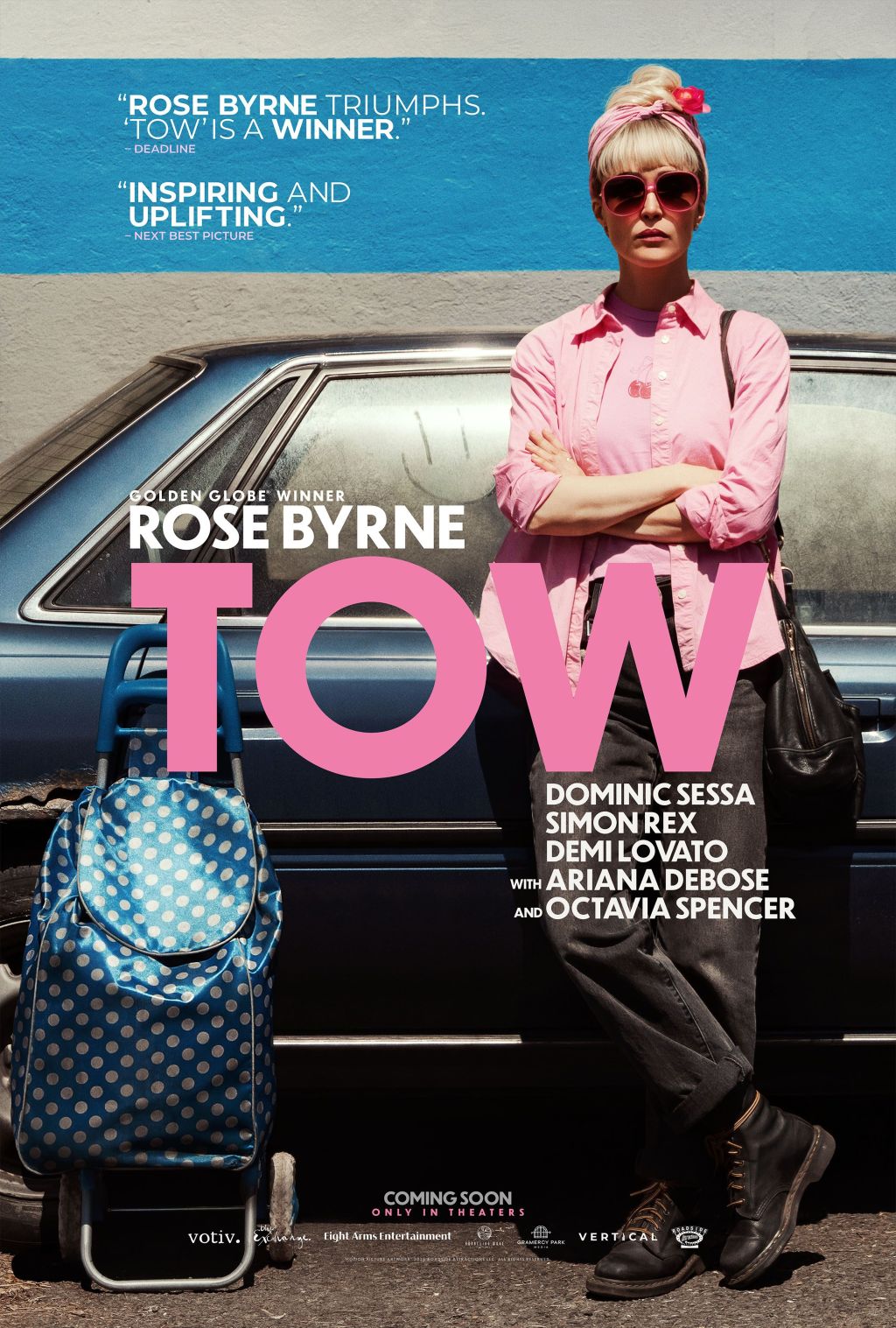
Tow is a new film that first premiered at the Tribeca Festival in 2025 and will open in theaters across the United States on March 20. Written by Jonathan Keasey and Brant Boivin and directed by Stephanie Laing, the film stars Rose Byrne, Dominic Sessa, Demi Lovato, Ariana DeBose, Octavia Spencer, Simon Rex, and Elsie Fisher.
The story follows Amanda Ogle, a woman living out of her aging Toyota Camry on the streets of Seattle. When her car—her only lifeline—is stolen and impounded, Amanda is thrust into a relentless legal battle against an indifferent system. What begins as a fight to reclaim her vehicle evolves into a deeply human story about resilience, dignity, and the power of one woman’s voice in the face of systemic failure.
It’s interesting how films like this often premiere at festivals only to disappear from the conversation until their wider release the following year. In a way, they almost have to rebuild momentum from scratch in order to capture the attention of audiences again. With a stellar ensemble cast, a commanding performance from Byrne, and a powerful message at its core, there’s little reason Tow shouldn’t find an audience when it finally arrives in theaters.
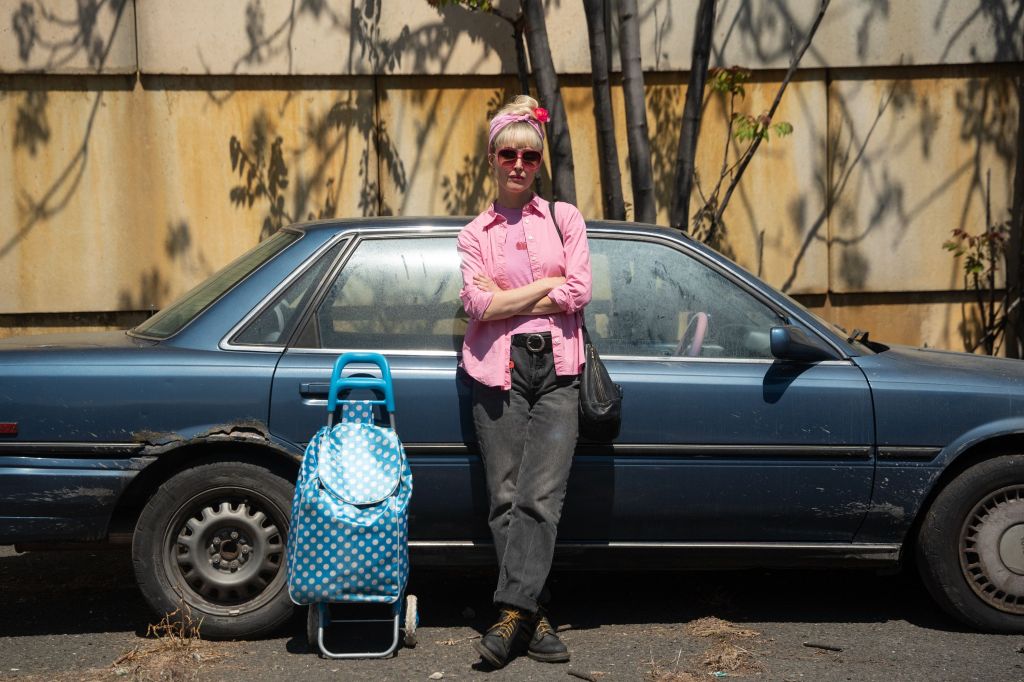
The film doesn’t shy away from its complexities—if anything, it leans into them and fully embraces the difficult realities at its core. Homelessness is often surrounded by a stigma, with many people treating those who experience it as if they are beyond help or redemption. This film challenges that perception by delivering a thematically rich story that exposes the systemic issues at the heart of the problem. At the same time, it carries the spirit of a crowd-pleasing underdog narrative: the story of someone fighting from the margins and managing to win in a system where victories like this are far too rare.
Rose Byrne continues an impressive run in her career here, delivering yet another compelling dramatic performance. The honesty of her character makes her deeply likable, and it’s easy to imagine many viewers seeing parts of themselves in her—even if they’ve never personally experienced homelessness. The film taps into a broader truth: the widening gap between the ultra-rich and everyone else. Anyone who has struggled due to circumstances beyond their control, especially in today’s economic climate, will likely find Byrne’s performance strikingly relatable. Between this and If I Had Legs I’d Kick You, Byrne is quickly becoming one of the most resonant voices for modern, everyday struggles on screen.

Alongside Rose Byrne is a likable, all-star supporting cast that feels perfectly suited to their roles. It’s the kind of ensemble where it becomes difficult to imagine anyone else stepping into these characters. Dominic Sessa delivers something markedly different from his previous work, further proving his range as a rising talent. From Simon Rex to Demi Lovato, the film finds warmth in the way these characters interact with Byrne’s Amanda. Their efforts to support her—however limited they may be—highlight a central theme of compassion. Even when they can’t fix everything, their willingness to help underscores how a sense of community can lift someone up in moments of hardship.
At 106 minutes, the film manages to accomplish quite a bit. Its editing keeps the story moving at a brisk pace, allowing scenes to transition quickly without losing emotional momentum. In another form, this story could easily have been expanded into a miniseries, which might have allowed more time to further develop the supporting characters. However, presenting the story in a feature-length format ultimately works in its favor, giving it the potential to reach and resonate with a wider audience.
The film’s runtime can also work against it in certain ways. As much as the story and its characters are easy to connect with, some of the film’s resolutions arrive a bit too quickly. In particular, the narrative could have benefited from spending more time on Amanda’s final court appearance, as well as her attempts to reconcile with her daughter. Both moments carry significant emotional weight, yet they are resolved rather swiftly. As a result, these key developments slightly undercut the magnitude of the struggles Amanda has endured over the year-long period depicted in the story.
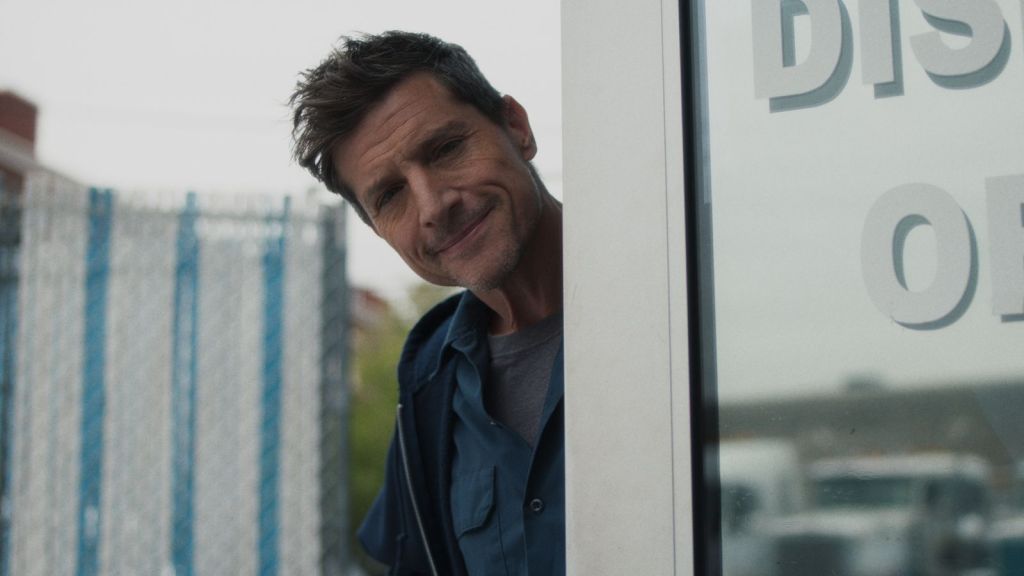
Inspired by a real-life story, the film occasionally trades realism for cinematic impact. While it succeeds in delivering an emotionally satisfying and accessible narrative, certain moments feel somewhat implausible. One example is the extent to which the main antagonist goes to in order to keep the car. His motivations never feel fully realized, which weakens the credibility of his actions. In turn, the film misses an opportunity to explore how someone in his position might reflect, change, or grow. Instead, it leaves the impression that the system—and the people who operate within it—will continue functioning the same way, forcing those in Amanda’s position to keep fighting simply to be heard.

Overall, Tow is a crowd-pleasing winner. While its runtime occasionally limits the film’s emotional impact, it still manages to deliver its message clearly and effectively. Rose Byrne turns in another remarkable performance, one that further cements what has become an exciting new chapter in her dramatic career. More than just an engaging story, this is the kind of film that has the potential to spark real conversations—and perhaps even make a meaningful difference.
VERDICT: 4/5 – Great
 The Creative Cinematic Collection
You must be logged in to post a comment.