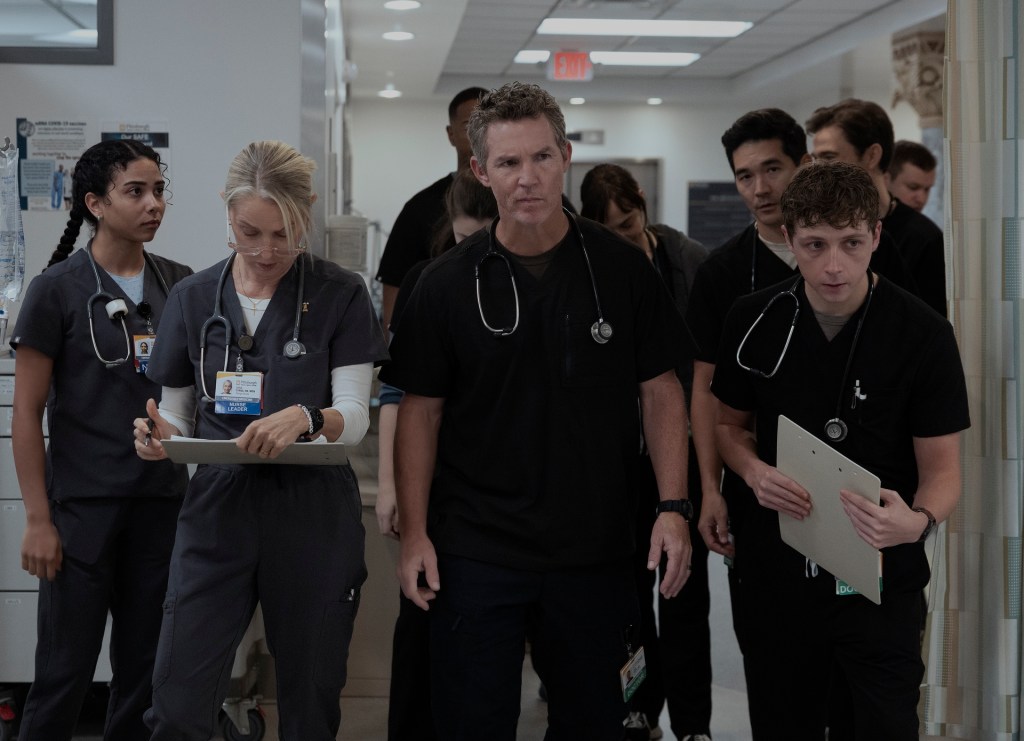
As the story transitions into the night shift, the day shift is still scrambling to wrap things up. Orlando returns to the ER after a severe fall at work—right where the previous episode left off. He went to his job to help pay the bills, but ironically, it’s this latest accident that ensures his medical expenses are finally covered. It’s a stark, almost backwards reflection of how the healthcare system operates, and the show doesn’t shy away from highlighting that reality.
Orlando’s story isn’t the only thread revisited. The episode also circles back to Charles Baker’s character, Troy Digby. His absence had started to feel noticeable, making his return all the more welcome—especially given Baker’s presence as a recognizable actor. When the narrative reconnects with him, it emphasizes the humanity the hospital staff still hold onto despite the constant chaos. Even Emma Nolan’s reaction towards him adds a sense of warmth, giving her shift a quietly uplifting close.
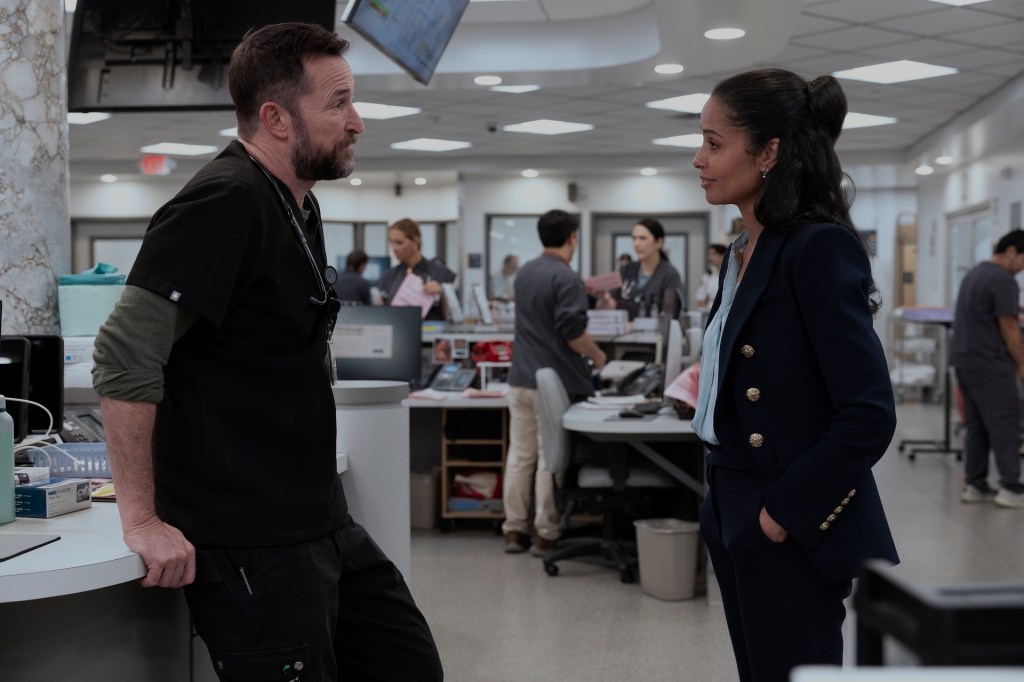
Compared to where the first season was at this point, this episode marks a significant shift in tone. Still, it doesn’t lose momentum—there’s a lot happening, most notably with Dr. Robby. What unfolds here says a great deal about who he is this season. His harshness isn’t empty; it’s driven by purpose. He’s clearly burnt out, and that intensity he directs at others feels less like cruelty and more like a form of tough love. In his mind, pushing people hard is how they improve. He carries himself like a father figure, treating those around him like surrogate children. That deep care is exactly what makes it so clear he needs to step away and recharge.
There’s been plenty of speculation that Dr. Robby won’t make it on his trip because of some sudden accident. After this episode, I’m convinced he won’t go—but for a very different reason. His final conversation with Dana reveals so much about his internal state, and it’s genuinely unsettling. The moment is packed with heavy revelations, from unresolved issues with his mother to what feels like a clear admission that he intends to harm himself. It’s the kind of scene that demands a second watch just to fully process. Given how serious it is, it seems likely that Dana will intervene in a major way—possibly even taking steps to have him hospitalized. Robby just wants everything to be perfect before he leaves to feel like he did something good, but the universe seems to show that the hospital still needs him.
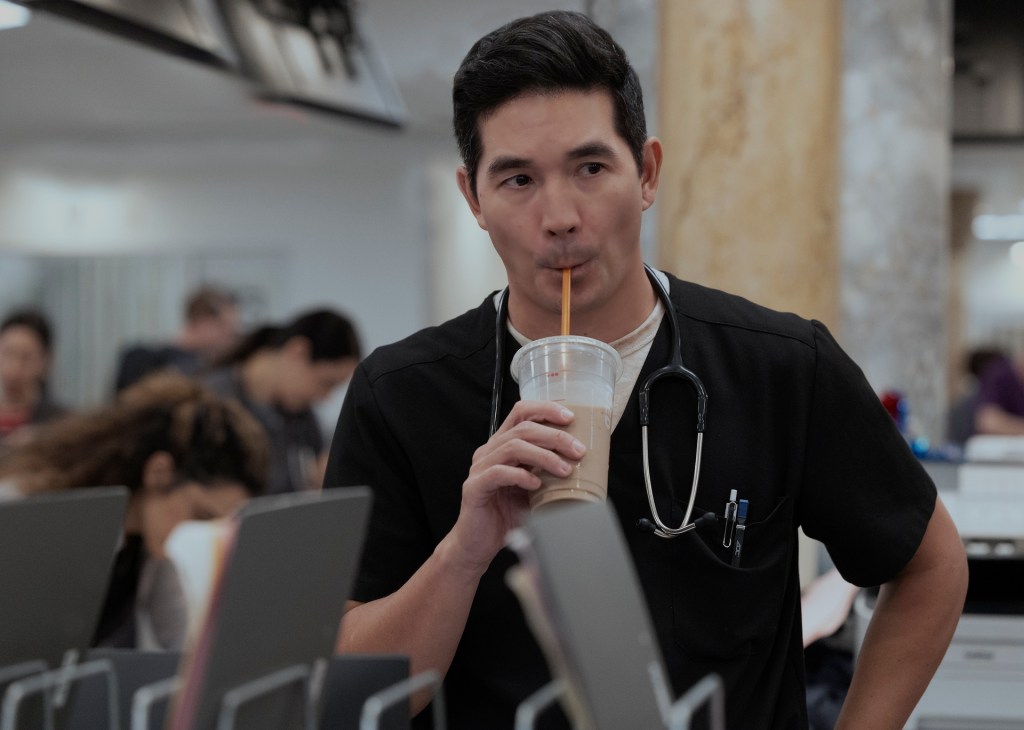
There’s a lot to unpack with Dr. Langdon in this episode, and it ties directly into something I theorized earlier in the season. Returning to the very environment tied to his addiction makes the possibility of relapse feel almost inevitable. When a mother rushes in with her child, Langdon recommends an aggressive approach—suggesting they insert something down the child’s throat to help him breathe. Then Luke Tennie, known for Shrinking, enters the scene and proposes an alternative that ultimately saves the child’s life. That moment leads to a sincere heart-to-heart between Dr. Langdon and Dr. King, one that highlights the complexity of human nature—how ego, vulnerability, and growth can all coexist, and how people can still choose to be better with one another.
We also get a bit more insight into Dr. Al-Hashimi. Dr. Robby begins to notice her hesitation, prompting him to press her about what’s really going on beneath the surface. With only two episodes left, her arc still feels unresolved, which makes me hopeful that Sepideh Moafi will return next season to continue developing the character. Especially with Tracy Ifeachor’s departure, there’s a lingering sense that nothing is guaranteed. Al-Hashimi is as complex as she is brilliant, and her story deserves the space to unfold naturally. Rather than rushing to wrap up her arc this season, it would be far more rewarding to see her growth play out over time—just as the show continues to deepen its exploration of the rest of the ensemble.
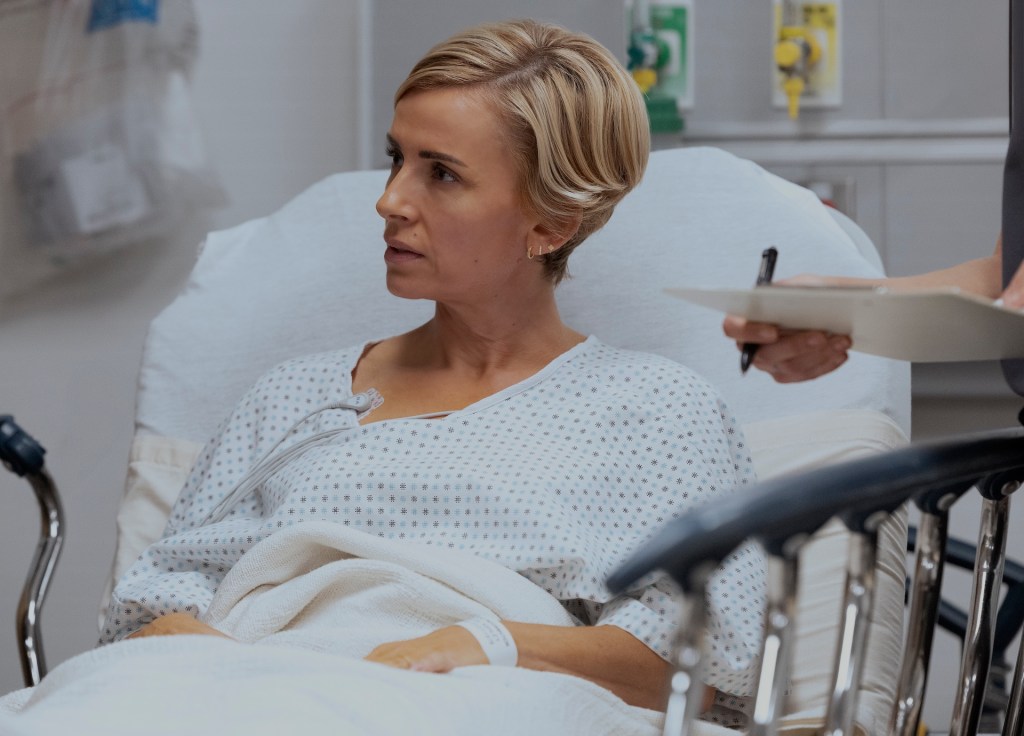
I really enjoyed the dynamic between Santos and Whitaker in this episode. Santos gets the opportunity to interact with Noah Wyle’s real-life wife, and through it, Whitaker shows just how much he’s grown. Their chemistry makes it clear—they balance each other out and genuinely need one another as roommates. Whitaker also shares a meaningful heart-to-heart with Ogilvie, one that ties back to the first season and reinforces why he keeps coming back despite everything. As for Ogilvie, it’s hard to say whether he’ll return next season, but I appreciate how the show lets the job finally catch up to him, especially after he carried himself with so much confidence, even arrogance.
Like the rest of the season, this episode is filled with subtle, rewarding details. Monica, the nurse who steps in to help, reveals an undercurrent of racism through a piece of dialogue she overhears. Dr. Robby’s reaction to his friend’s condition practically spells out the diagnosis before it’s ever confirmed. Dr. Javadi shows signs of doing more in the hospital going forward. Dr. Mohan, meanwhile, has a quiet but important realization that solidifies her decision to stay. Considering how quickly this season followed the first, it’s honestly impressive how densely layered it is. The sheer number of small, intentional moments makes it incredibly rewarding to revisit, with each rewatch offering something new to catch.
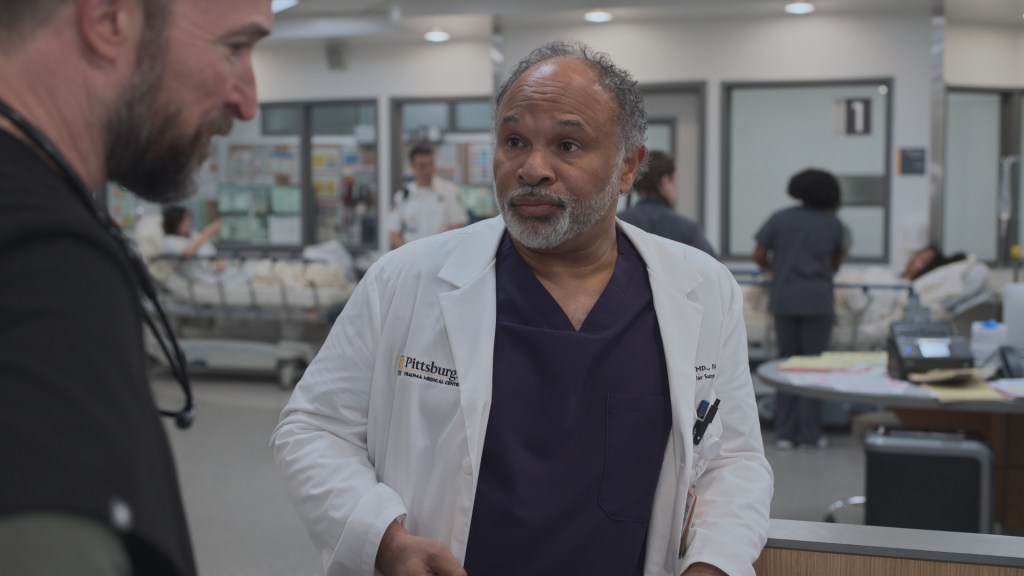
Overall, episode 13 keeps the momentum going, even if it never quite reaches the same level of intensity the first season had at this point. That said, Noah Wyle’s performance is just as strong here as it was in the first season’s episode 13—delivering a conclusion that carries real emotional weight. This episode provides a sense of closure for several characters, tying together key arcs in a satisfying way. At the same time, its ending leaves the door wide open, creating the feeling that anything could happen in the final two episodes.
 The Creative Cinematic Collection
You must be logged in to post a comment.