Daredevil: Born Again returns for its second season with a premiere on March 24 at 9 p.m. EST. Showrunner Dario Scardapane is back at the helm, leading a cast that includes Charlie Cox, Vincent D’Onofrio, Margarita Levieva, Deborah Ann Woll, Wilson Bethel, Michael Gandolfini, Tony Dalton, and Krysten Ritter.
This season finds Mayor Wilson Fisk tightening his grip on New York City as he declares open season on the Hell’s Kitchen vigilante known as Daredevil. Beneath the mask, Matt Murdock is forced back into the shadows, determined to dismantle Fisk’s corrupt empire and reclaim his city before it’s too late.
One of the defining moments of my press career was getting early access to the first season of Daredevil: Born Again, so getting that opportunity again for season two felt just as exciting. As a longtime fan of both the original series and this revival, I went in eager—but not without some hesitation. While I still enjoy comic book storytelling, I’ve found myself less emotionally invested than I once was.
For the most part, this season doubles down on the elements that make the series compelling—its grounded tone, moral complexity, and character-driven tension. That said, it begins to lose some of its footing toward the end. Certain moments veer into a more exaggerated, almost goofy territory, and the visuals don’t quite capture the same gritty authenticity that once defined the show.
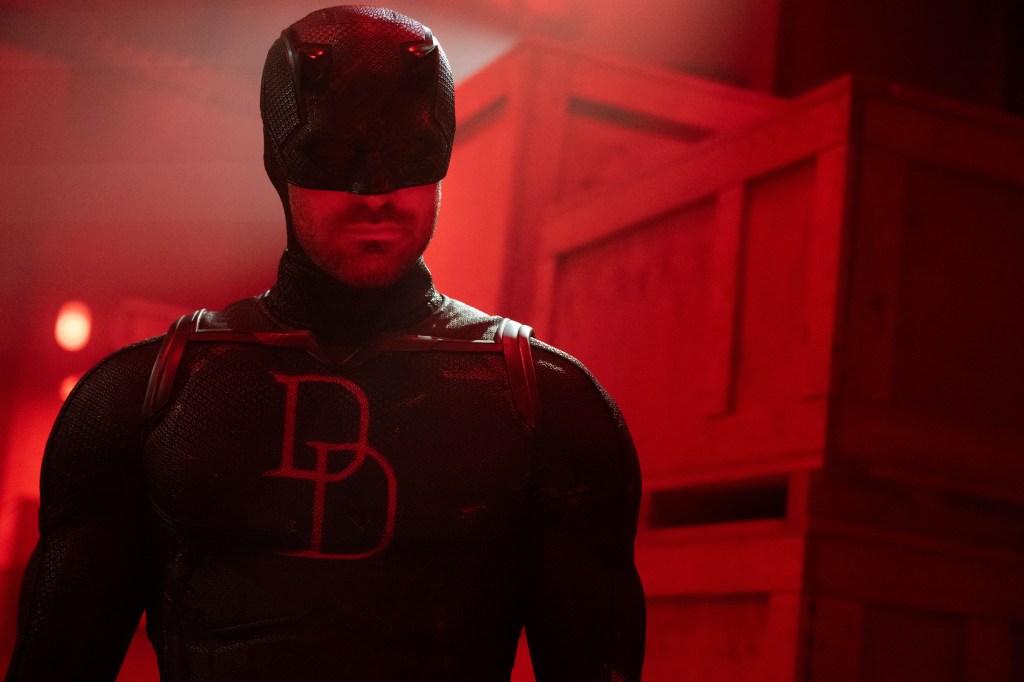
One of my favorite aspects of the series is the contrast between Matt Murdock and Wilson Fisk. They couldn’t be more different, yet the writing consistently makes you care about what happens to both of them. At this point, you might wonder how much longer the show can sustain their dynamic—but surprisingly, it continues to find fresh ways to challenge and evolve these characters. Going into this season, I had reservations about where the story could possibly go next, yet it proves there’s still plenty of ground left to explore.
What kept me most engaged, though, was the drama. The show understands how to use its medium effectively—it doesn’t rely on action to carry the narrative. With Disney maintaining its mature rating, the series leans fully into the violence and language of its world, but never without purpose. It’s not just a superhero story; it’s a grounded, character-driven drama that resonates on a deeper level because of how real it feels.
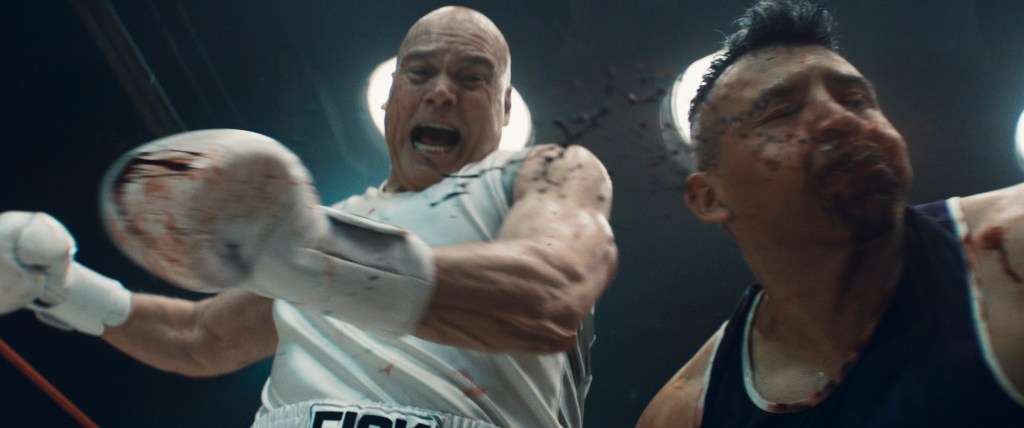
Visually, the show doesn’t feel as grounded as it once did. Having seen all eight episodes ahead of the premiere, I couldn’t shake the sense that some of the effects and compositions aren’t fully polished. There are moments that feel noticeably disconnected from the look of the original series, occasionally resembling a stylized music video rather than the gritty realism the show built its identity on. Even quieter scenes—like Daredevil perched on a rooftop—can come across as overly artificial, with lighting and backgrounds that feel more animated than lived-in. On top of that, there are a few jarring jump cuts that disrupt the flow instead of enhancing it.
The action, similarly, is a mixed bag. When it works, it really works—the choreography is sharp, intense, and unafraid to embrace the brutality that defines this world. I’m a big fan of the show’s signature one-take sequences, and each season has delivered a memorable one. Unfortunately, this season’s attempt is the weakest so far. Rather than feeling immersive and seamless, the sequence leans too heavily on obvious hidden cuts, with the camera frequently panning across dark surfaces to mask transitions. A great one-take shot should make you forget the technique entirely, and here, the illusion just isn’t convincing enough.
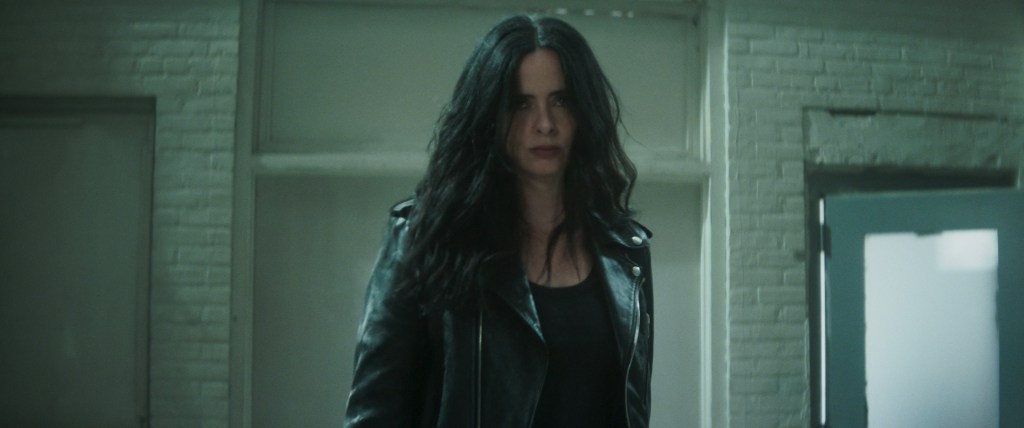
The way the show weaves in both returning and new characters works strongly in its favor this season. As someone who never fully connected with the other Defenders series on Netflix, I was surprised by how effectively Jessica Jones is utilized here—she adds a grounded, no-nonsense presence that fits naturally into the story. Wilson Bethel, reprising Bullseye, arguably gets the strongest arc of the season, with some of the most compelling material to work with. And it was especially great to see Deborah Ann Woll given more to do—rather than being sidelined, her character is far more active and integral to the plot, which feels like a well-earned and welcome shift.
That said, the finale didn’t fully land for me. I understand what the show is aiming for, and on paper, some of the ideas work—but the execution pushes things into less believable territory. There’s a moment where Daredevil is clearly reaching for something akin to an “Iron Man–style” beat, and it just doesn’t fit the tone or character. Even the final confrontation between Daredevil and Kingpin feels off, lacking the grounded intensity that has defined their dynamic. It edges into territory that feels more exaggerated than earned, which ultimately undercuts the grit and realism the series is known for.
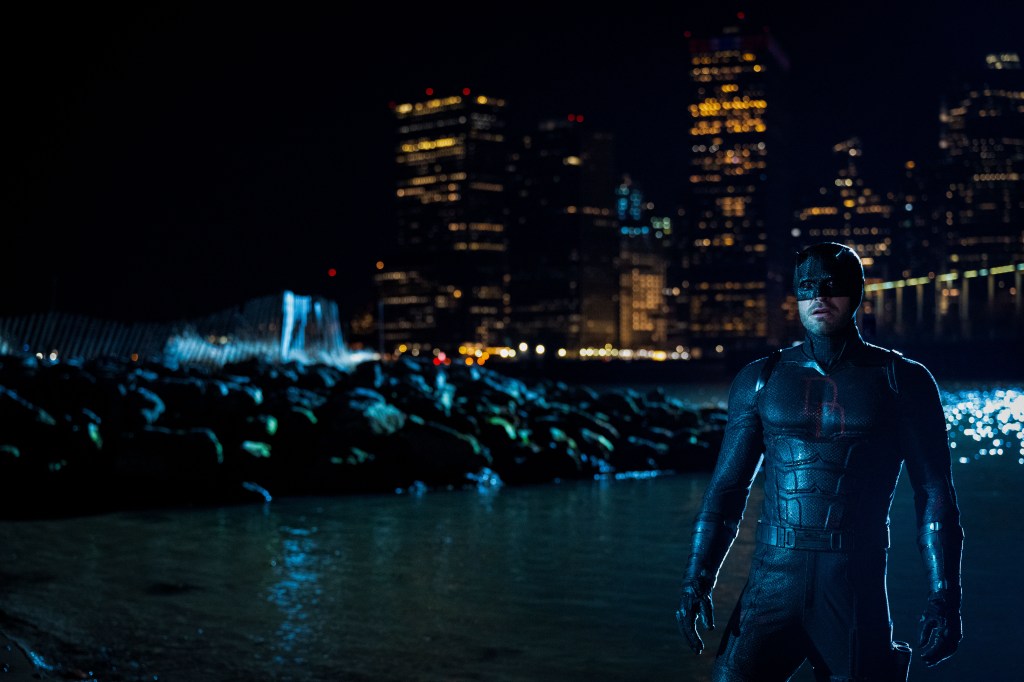
Overall, while the second season of Daredevil: Born Again largely works, it feels like a slight step down from the first. That said, your mileage may vary—some viewers who didn’t connect with the first season might actually respond more to what this one is doing. It really feels like a coin toss in terms of how audiences will receive it.
If the show wants to fully get back on track, it needs to scale back some of the more artificial visual choices and return to the grounded aesthetic that originally set it apart. Even so, it remains a solid season overall, with strong character work and a compelling story continuing to carry the series forward.
VERDICT: 3.5/5 – Pretty Good
 The Creative Cinematic Collection
You must be logged in to post a comment.