Black Phone 2 is set to hit theaters on October 17, following its premiere at this year’s Fantastic Fest. A sequel to 2021’s The Black Phone, the film reunites director Scott Derrickson with stars Mason Thames, Madeleine McGraw, Jeremy Davies, Demián Bichir, and Ethan Hawke.
Four years after escaping the clutches of The Grabber, Finney Blake is still haunted by the trauma of his captivity. Meanwhile, his sister Gwen begins receiving eerie dream calls from the black phone and witnessing disturbing visions of three boys being stalked at a remote winter camp. As the siblings delve deeper into the mystery, they find themselves facing a killer who has become even more dangerous in death—one with a chilling connection to their past neither of them expected.
It’s hard to believe it’s already been three years since I first saw The Black Phone. Although it’s officially labeled a 2021 release, multiple delays pushed its theatrical debut into 2022. I honestly can’t recall exactly where I was when I watched it—probably on Peacock, since I missed it in theaters—but I remember really loving it. I didn’t get a chance to revisit the original before seeing the sequel, but I was still excited going in. Ethan Hawke is one of my all-time favorite actors, and I was intrigued by the new direction they were taking. Let me tell you: this sequel delivers.
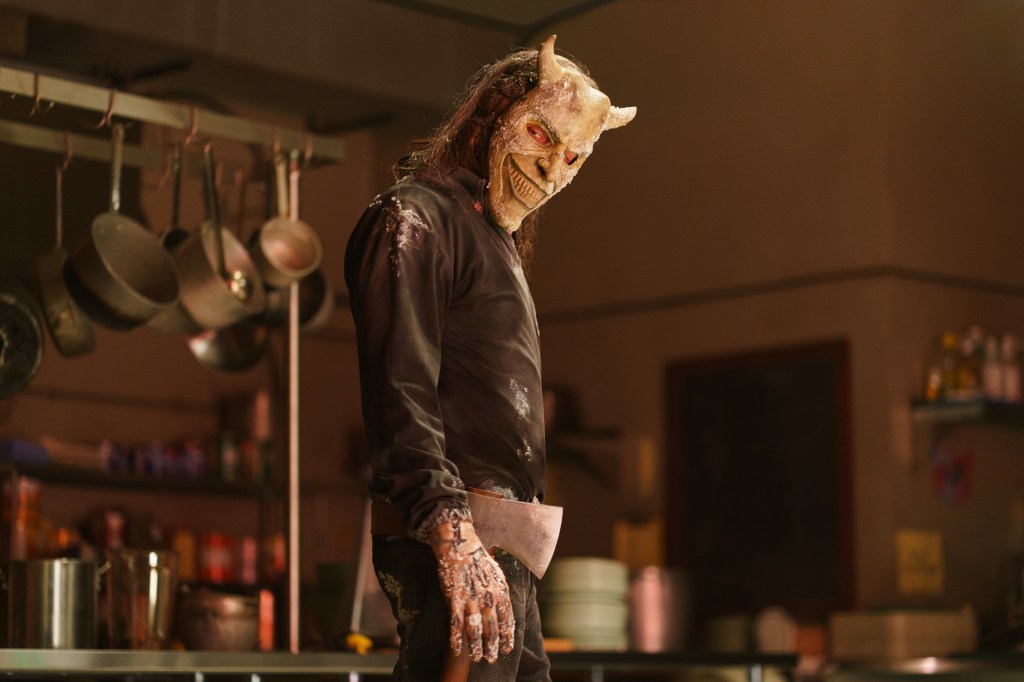
The sequel manages to continue the story from the first film, but director Scott Derrickson makes it stand confidently on its own. Even though I loved the original, there were parts I had forgotten, which made the sequel even more engaging—it brought back memories in a way that felt fresh. This is a film that, on paper, shouldn’t work. Considering how the first movie ends, I don’t think anyone expected a sequel to even be possible. But Derrickson pulls off the impossible, delivering something grounded in both horror and real emotional weight in a brand new location.
After the movie, my friend and I both noted that we didn’t feel particularly scared throughout. There were a few jump scares early on, but that was about it. It actually reminded us of how we felt watching The Conjuring: Last Rites—though this film is lightyears better. Interestingly, both films are centered around family-driven stories, with horror layered on top. The difference is, this one actually gets it right—thanks to its unsettling tone, Madeleine McGraw’s incredible performance, and the raised emotional and narrative stakes.

If you’re familiar with one of Scott Derrickson’s earlier films, Sinister, then you’ll likely recognize his signature use of Super 8 footage. He brings that same visual technique into this film, and it works beautifully. The grainy, dreamlike quality of those sequences pulls you deeper into the film’s unsettling atmosphere without relying on cheap jump scares. At this point, it’s become one of Derrickson’s trademarks—creating a creeping sense of dread through visuals alone. Every time a Super 8 shot appears, the tension ratchets up.
Adding to the film’s mood is a fantastic score that feels like something straight out of a Trent Reznor and Atticus Ross project. I can’t confirm if it was actually them, but I wouldn’t be surprised—especially considering they worked with Derrickson on his previous film. Either way, the music is haunting and powerful.
I’ve always been a huge fan of Ethan Hawke, and he’s a big draw for this series. He breathes chilling life into the Grabber, even though he has less screen time than you might expect. Still, every moment he’s on screen, he completely owns it.
Mason Thames, who headlines the cast, delivers a strong, emotionally grounded performance. Fans of this year’s How to Train Your Dragon remake will recognize him immediately—he’s much closer in age here than he was in the original Black Phone. But it’s Madeleine McGraw who truly steals the show. She gives one of the most powerful performances I’ve seen this year. Don’t be surprised if she lands in my top 10 performances by an actress this year—it’s that good. Derrickson draws some stunningly raw emotion from her. While Thames was the central figure in the first film, McGraw takes the lead this time, making the two films feel like complementary perspectives on trauma, each powerful in its own right.
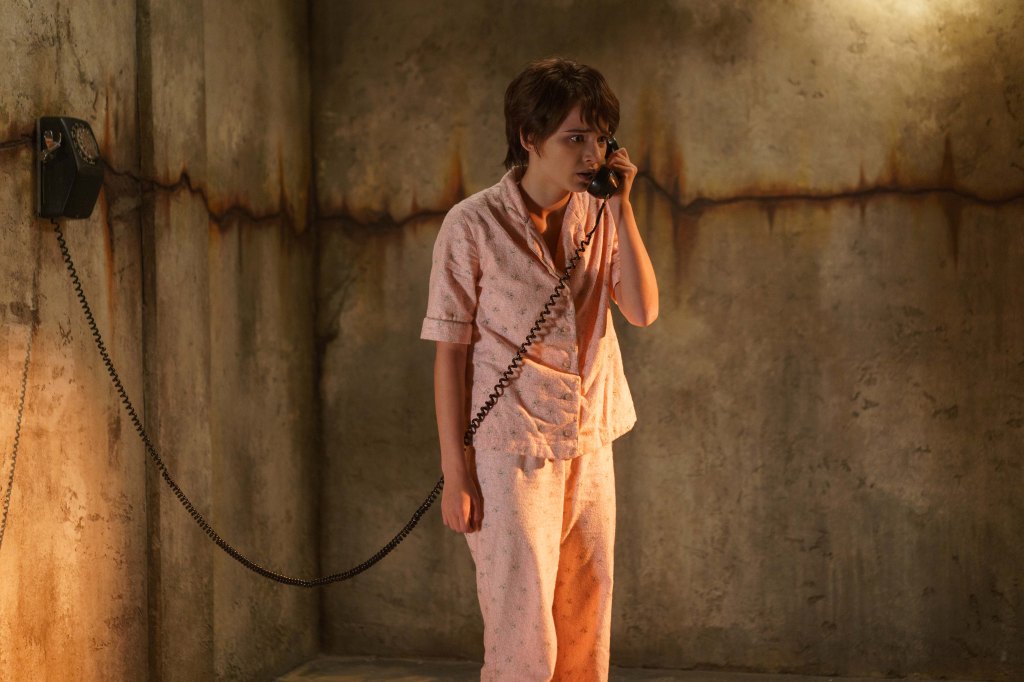
To my surprise, this film moves at a noticeably slower pace than I expected—and slower than I remember the first one being. I picked up on it early, but it never bothered me. That said, I can see the pacing being a point of contention for some viewers. Personally, I think the slower rhythm works in the film’s favor. It allows the tension to simmer and gives room to explore more backstory. The sequel adds layers of lore to the world established in the first film—enough that it genuinely surprised me and made me see the original in a new light. Even the exposition feels natural, which is no easy feat. Derrickson’s storytelling here feels deliberate and meaningful. This doesn’t feel like a cash grab—it feels intentional and well thought-out.
That said, there are aspects of the ending that didn’t fully land for me. Much like the first film, this one feels pretty conclusive. I honestly don’t know where they could go from here, though I’m sure they’ll find a way. If they do, I just hope future installments don’t all try to wrap things up so neatly. That kind of finality starts to strain believability if the story keeps going. This film already requires a fair amount of suspension of disbelief, but Derrickson earns it through strong storytelling and powerful performances.
My only real gripe comes during the climax, where some of the dialogue feels clunky and a bit forced. It seems designed to elicit a crowd-pleasing reaction, but I felt the film had already earned that response naturally—through its humor, emotional depth, and commentary on how people cope with trauma.

Overall, The Black Phone 2 pulls off the impossible—delivering a solid continuation that deepens the lore while showcasing fantastic performances. While it may require a greater suspension of disbelief and moves at a slower pace, director Scott Derrickson leans fully into the film’s vision. The result is a sequel that feels purposeful, confident, and absolutely worth checking out.
VERDICT: 4/5 – Great
 The Creative Cinematic Collection
You must be logged in to post a comment.