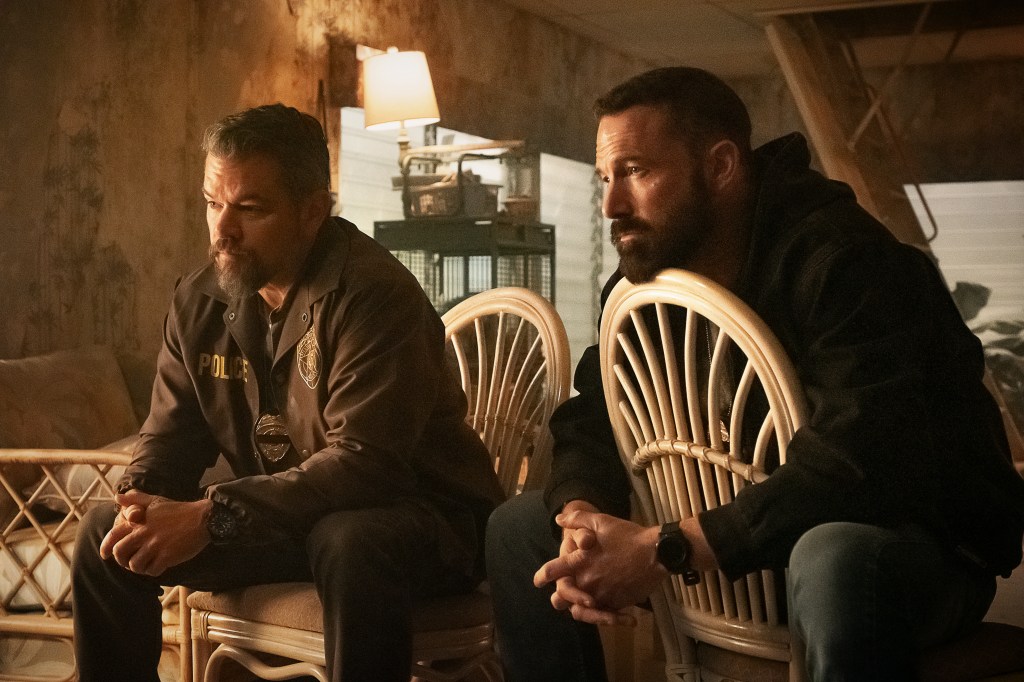
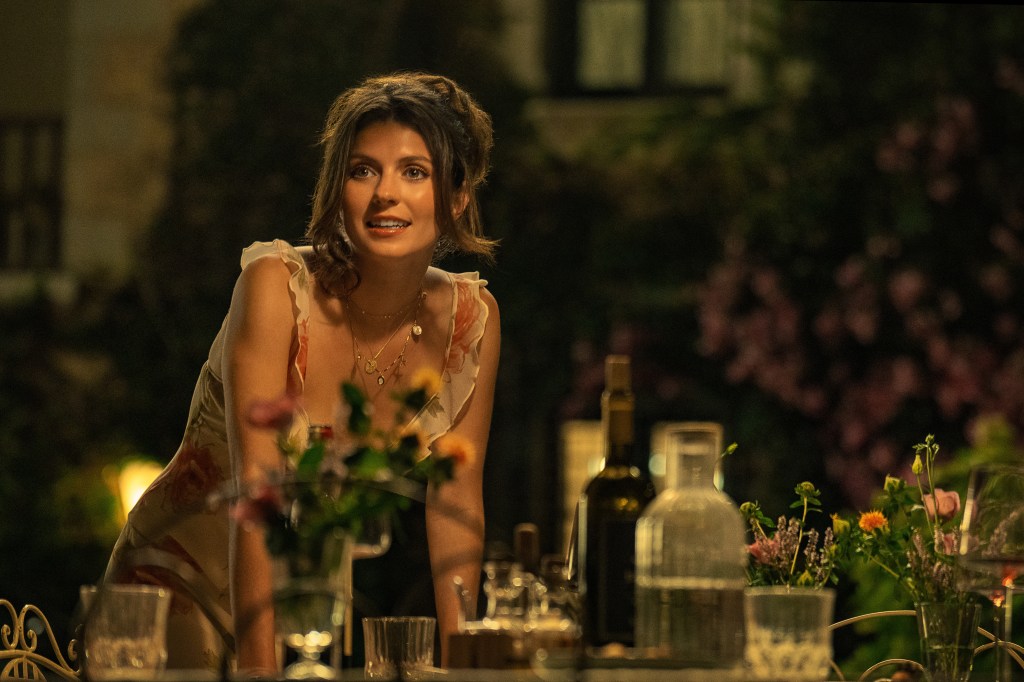
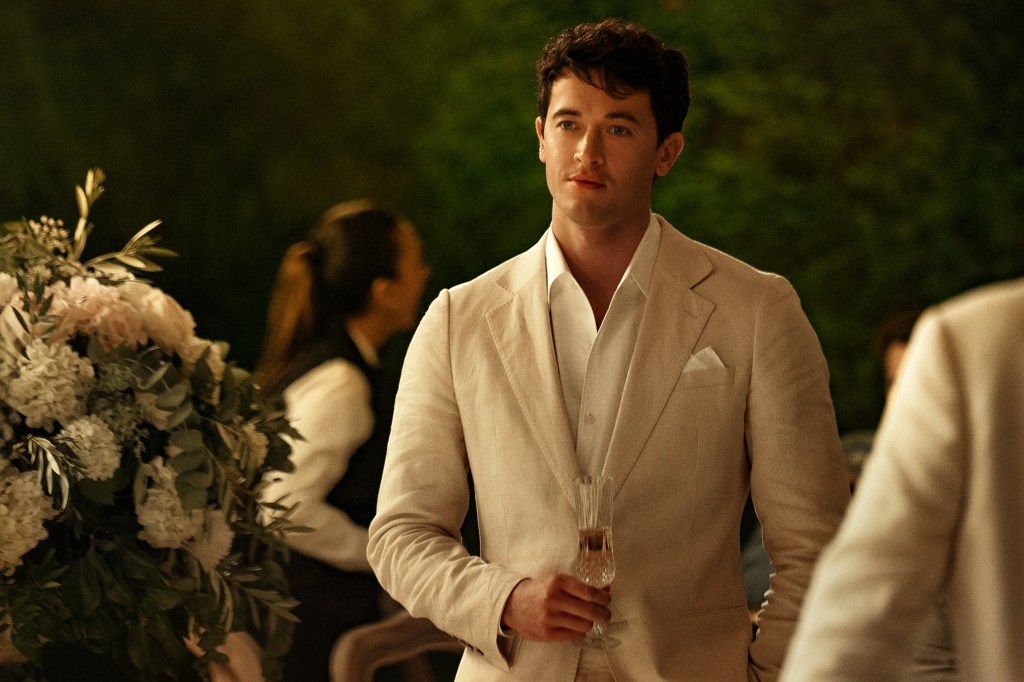
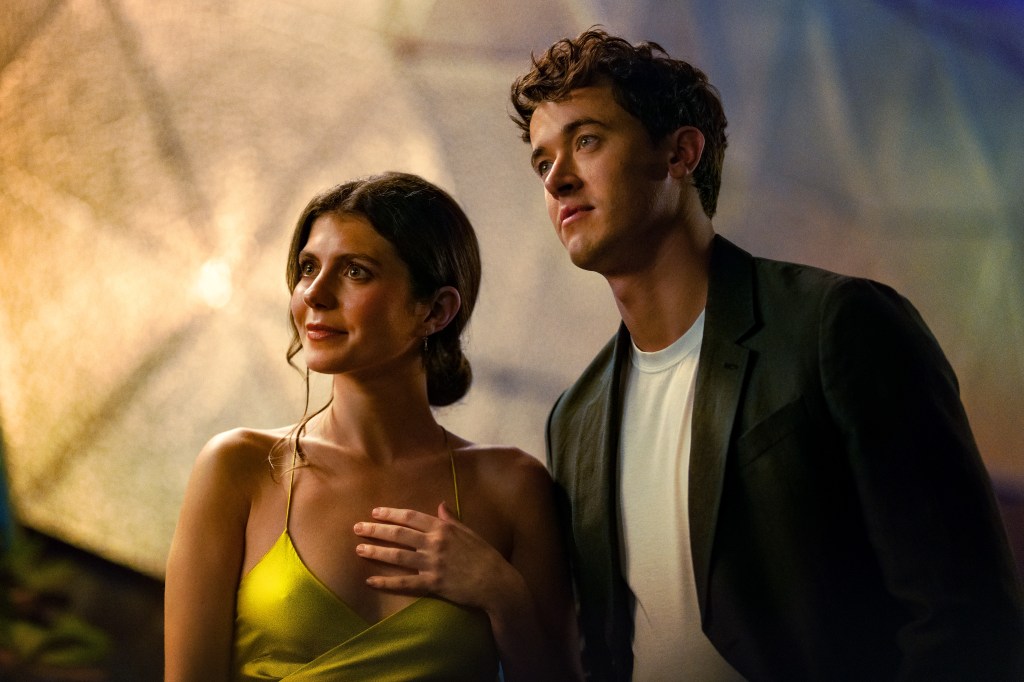
Mike & Nick & Nick & Alice is a new film that premiered at this year’s South by Southwest Film & TV Festival ahead of its worldwide debut on Disney+ and Hulu on March 27. Written and directed by BenDavid Grabinski, the film stars Vince Vaughn, James Marsden, Eiza González, Keith David, and Jimmy Tatro. The story follows two gangsters and the woman they both love as they struggle to survive the most dangerous night of their lives—made even more chaotic by the introduction of a time machine.
With such a high-concept premise and a stacked cast, it’s hard not to be intrigued by what the film has to offer. I initially assumed it had premiered at last year’s SXSW, since films often take a year to reach wider audiences after debuting at festivals. That’s not the case here, though—the turnaround is surprisingly quick, with the film arriving on streaming just weeks after its festival debut. While it will primarily find its audience at home, I’m glad it still had the opportunity to play in a theatrical setting at SXSW.
Even watching it on a laptop, I suspect my reaction wouldn’t be much different on the big screen. The execution can be messy at times, but the film leans into its chaotic energy in a way that makes it an undeniably fun ride.
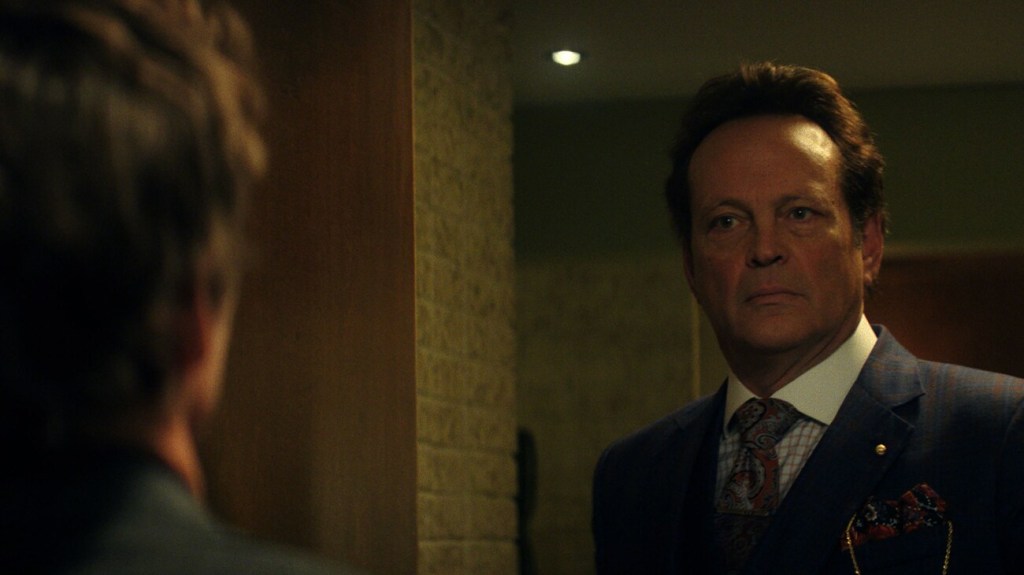
This is an immensely likable cast. No matter the project, Vince Vaughn, James Marsden, and Eiza González have a knack for elevating the material, and they do exactly that here. It’s especially impressive that BenDavid Grabinski managed to assemble such a strong ensemble. His previous film, Happily, is one I apparently watched and liked, according to my Letterboxd—but I have little memory of it now. Given that Grabinski’s filmography is still relatively small, landing this level of talent speaks volumes. Even when the script falters, the cast smooths over its rough edges, making the film consistently entertaining and easy to enjoy.
That said, going in completely blind may leave you a bit disoriented. The film takes its time finding its footing, and it doesn’t immediately feel like everyone is operating on the same wavelength. Marsden’s character, in particular, comes across as oddly detached from the central time-travel premise at first—almost as if he’s already in on something the audience isn’t. The dialogue can feel slightly out of sync with the film’s high-concept hook, making it harder to fully buy in early on. However, once the narrative settles and its rules become clearer, the film opens up, making it much easier to embrace its chaotic, offbeat charm.
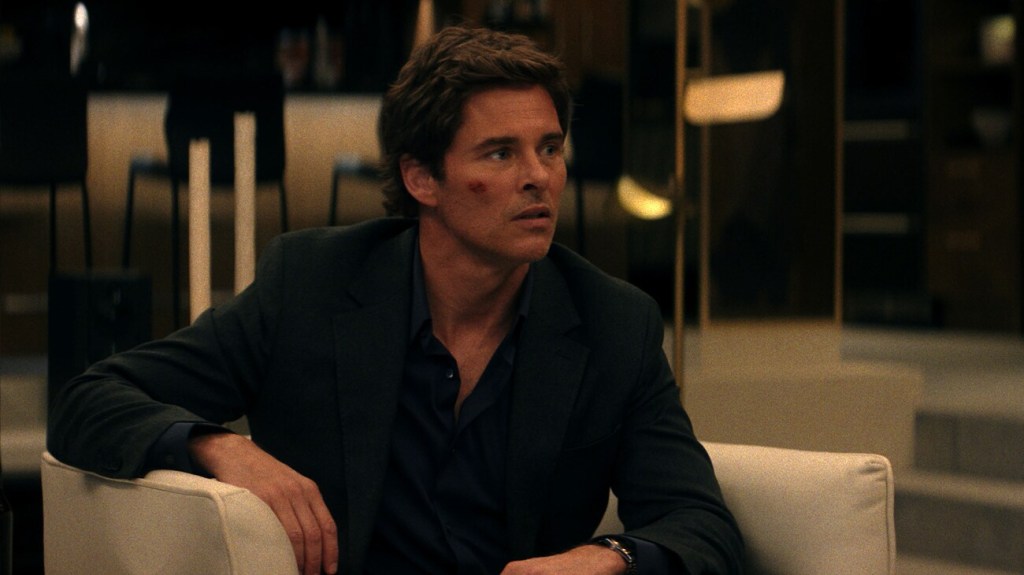
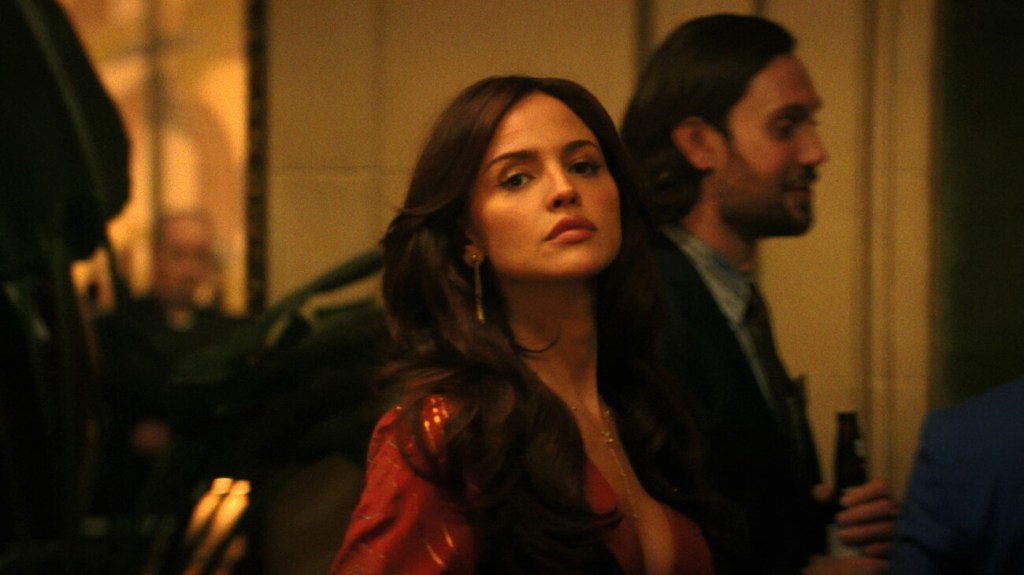
The core dynamic between the three—or four—leads is what truly sells the film. Once they’re all together, everything clicks into place. The chemistry feels natural and lived-in, to the point where it’s hard to imagine the film working with a different combination of actors. While I did find myself wondering if the story could function with just Vince Vaughn and James Marsden, especially as the third act ramps up, Eiza González remains an essential part of the narrative. That said, I still found myself wanting a bit more from her character by the end. The supporting players BenDavid Grabinski brings into the mix also get their moments to shine, adding bursts of humor that lean into the film’s zany, offbeat tone.
The third act, in particular, delivers some standout action set pieces, all backed by a rotating soundtrack of high-energy tracks. The variety in music can feel a bit tonally scattered at times, given how different the songs are from one another, but it ultimately complements the film’s chaotic spirit. One of the more impressive elements is Vaughn’s dual performance—he plays two versions of the same character, yet manages to make each feel distinct. Even as the film leans heavily into action, it seamlessly brings these two versions together on screen in a way that feels both convincing and surprisingly effortless.
The film takes some bold creative swings that I’m not entirely sold on, particularly in its cinematography and editing. The camera is almost constantly in motion, often pushing in during scenes in a way that gives the film a pseudo-documentary feel. It’s an interesting choice, but one that can be a bit distracting. The editing leans heavily on a stylized, fragmented slow-motion effect—scenes feel stretched and chopped at the same time to create a heightened sense of momentum. It’s a technique I recognize, but it’s used so frequently here that it starts to feel less like a purposeful flourish and more like an overused gimmick. While it undeniably gives the film a distinct visual identity, I’m not convinced it always works in its favor.
As for the ending, it does feel thematically appropriate for everything that comes before, even if it’s a bit messy under scrutiny. There’s an ambiguity to it that invites interpretation, though the more you sit with it, the more its internal logic starts to unravel. It hints at the possibility of a sequel, but I have a hard time imagining that actually materializing. While that direction could be fun in theory—especially for one particular character—I think I would have preferred a more definitive resolution, one that offers a stronger sense of closure for everyone rather than centering that payoff on just a single arc.
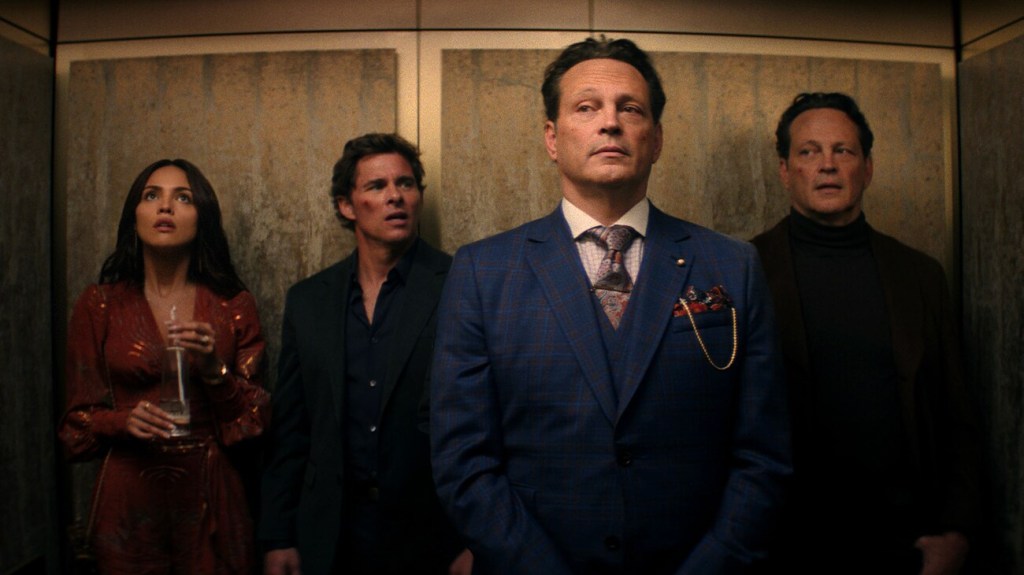
Overall, Mike & Nick & Nick & Alice is a genuinely fun ride. BenDavid Grabinski delivers a film that never takes itself too seriously, largely thanks to the energy and commitment of its cast. It’s enough to make me curious about what he does next. Vince Vaughn, in particular, stands out with a dual performance that convincingly feels like two entirely separate characters. Even with some missteps in the script and a few uneven stylistic choices, the film’s playful tone carries it through. It’s an easy recommendation for a casual watch and one that’s likely to find an audience once it hits streaming.
VERDICT: 3/5 – Good











 The Creative Cinematic Collection
You must be logged in to post a comment.