Jay Kelly is a new film currently playing in limited theaters ahead of its global Netflix debut on December 5. Co-written by Noah Baumbach and Emily Mortimer and directed by Baumbach, the film features an ensemble cast that includes George Clooney, Adam Sandler, Laura Dern, Billy Crudup, Riley Keough, Emily Mortimer, and Greta Gerwig. The story follows celebrated movie star Jay Kelly as he embarks on a journey of self-discovery, confronting both his past and present with the support of his loyal manager, Ron.
I first encountered Baumbach’s work with The Meyerowitz Stories in 2017—a film that also starred Sandler and became one of my favorites of that year. Between that and 2019’s Marriage Story, I quickly became a devoted fan. Even Baumbach’s lesser-known projects or those where he only contributes as a writer tend to be strong. I’ve grown up watching Clooney’s work, so I’m inclined to see anything he’s involved in, for better or worse. But what initially caught my attention for this film was the poster: Sandler’s name was featured prominently, yet his face was nowhere to be seen, which only heightened my curiosity.
After watching Jay Kelly, I can say it’s the kind of film audiences will either wholeheartedly embrace or find difficult to connect with—and I completely understand both reactions.

The film opens with a strong first act, highlighted by an impressive one-take sequence that beautifully captures the magic of filmmaking. It carries a classic, almost nostalgic charm that made me question why more of Baumbach’s work isn’t made specifically for the big screen. He clearly has a distinct vision and a genuine passion for cinema, which makes it somewhat ironic that he continues partnering with a streaming platform. Still, I appreciate that Netflix gives him the space and resources to bring his projects to life theatrically when possible. The opening is engaging across the board—from the performances to the character work. Even though the story centers on an A-list actor, it remains grounded enough to make viewers care about him.
And then the second act arrives. While I understand what the film is aiming for, the writing does it no favors. Several creative choices feel tonally jarring, to the point where I found myself asking why any of it was happening. The narrative leans heavily on exposition and flashbacks, and what began as something promising and relatable quickly becomes unfocused and, at times, careless. The dialogue doesn’t resemble how people naturally speak, characters disappear without explanation, and a significant portion of the second act takes place on a train, which only amplifies the feeling of stagnation. It’s frustrating to see the film drift in this direction—especially when it had already established compelling themes in the first act.

By the time the third act arrives, the film begins to find its footing again. We finally gain insight into why Jay Kelly behaves the way he does. His actions throughout the film often left me cold and frustrated, yet they ultimately underscore an interesting idea: that actors can feel profoundly lonely despite being surrounded by fans who don’t truly know them. The third act still makes a few creative choices that feel somewhat unrealistic, but its themes manage to shine through—culminating in a powerful final line of dialogue that stayed with me long after the credits rolled. Who knows—maybe a second viewing will shift my perspective. For now, I feel fairly indifferent about the film.
George Clooney, however, delivers a quietly impressive performance. I wouldn’t call it his best, but it’s certainly one of his most memorable in recent years. With a title that echoes his name and a scene seemingly tailored to a performer of his stature, it’s easy to imagine Baumbach writing with someone like Clooney in mind. In that sense, his performance feels especially authentic.

However, I’d argue that the film could have been much stronger if it had centered more on Sandler’s character. Every time he appeared on screen, the film truly came alive. Had the story been told from his perspective, its themes might have felt clearer and viewers could have connected more deeply with a character who is genuinely trying to do the right thing. It’s frustrating that Sandler doesn’t take on dramatic roles like this more often—time and again, he proves just how naturally suited he is for them. While I may feel indifferent toward the film as a whole, this is the role that finally makes him feel Oscar-ready.
The film certainly has moments of movie magic, which makes me genuinely happy it’s receiving a theatrical release before heading to streaming. From the seamless transitions that take Clooney’s character into the past to the gorgeous cinematography showcasing Europe, there’s plenty to admire. And while the themes are present and often compelling, the writing also makes some bizarre choices that left me cold. I suppose what I’m really trying to say is that, despite the elements I appreciated, the film takes some odd creative swings that may end up isolating viewers. Given Baumbach’s talent, it’s unfortunate that the writing is ultimately the weakest part of the experience.
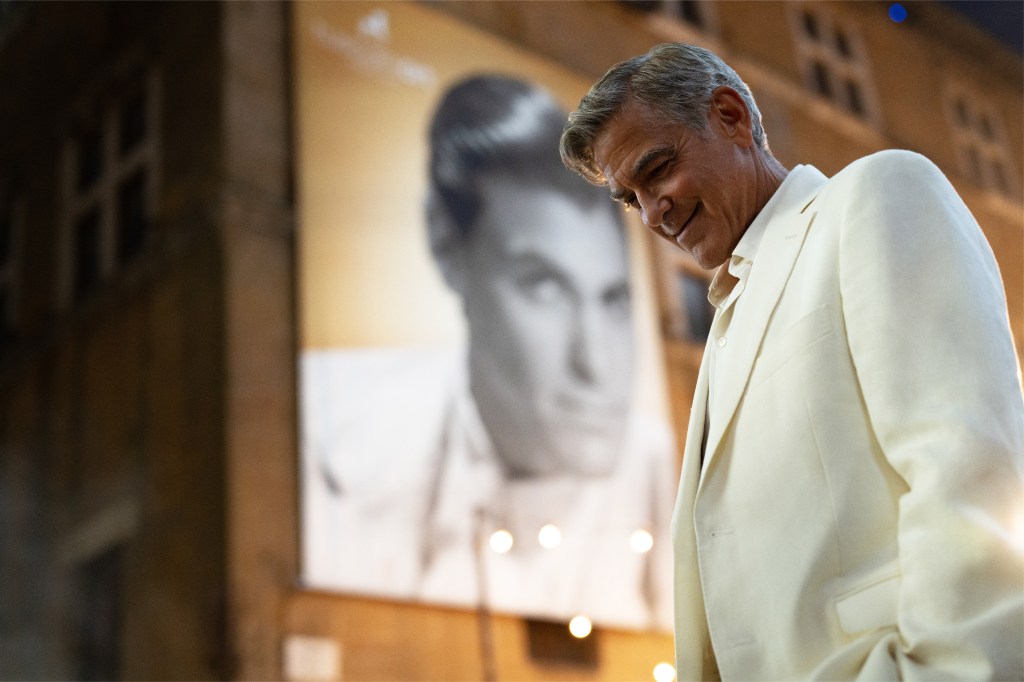
Overall, Jay Kelly is the kind of film that will either resonate deeply or leave you feeling empty—but even if it doesn’t fully work for you, I wouldn’t dismiss it outright. It still gave me something to reflect on, from how we treat the people around us to how we perceive celebrities. At the end of the day, they’re human too—flawed, complicated, and often struggling beneath the surface. As suggested by the film’s opening quote, Jay Kelly is someone who has had to “fake it to make it,” or risk fading into obscurity. Though the film doesn’t offer nearly enough resolution, its final line lingers, helping to elevate some of its missteps and leaving you with something meaningful to carry with you.
VERDICT: 2.5/5 – Okay


 The Creative Cinematic Collection
You must be logged in to post a comment.