Good Luck, Have Fun, Don’t Die is a new film from writer Matthew Robinson and director Gore Verbinski, starring Sam Rockwell, Haley Lu Richardson, Michael Peña, Zazie Beetz, Asim Chaudhry, Tom Taylor, and Juno Temple. The film premiered at the 2025 Fantastic Fest and is set for a nationwide U.S. theatrical release on February 13. The story follows a man who claims to be from the future and takes the patrons of an iconic Los Angeles diner hostage, searching for a group of unlikely recruits to help him save the world.
I am an unapologetic fan of the Pirates of the Caribbean trilogy. Director Gore Verbinski’s distinct style helped make it one of my all-time favorite trilogies. Since then, his career hasn’t quite reached those same heights, marked instead by critically divisive films that also struggled at the box office. Even so, you could put Verbinski’s name on just about anything and I’d be interested before even reading the synopsis. It’s been nearly a decade since his last film, so I’m glad to see Verbinski seemingly out of “director’s jail,” and I hope he stays out for good.
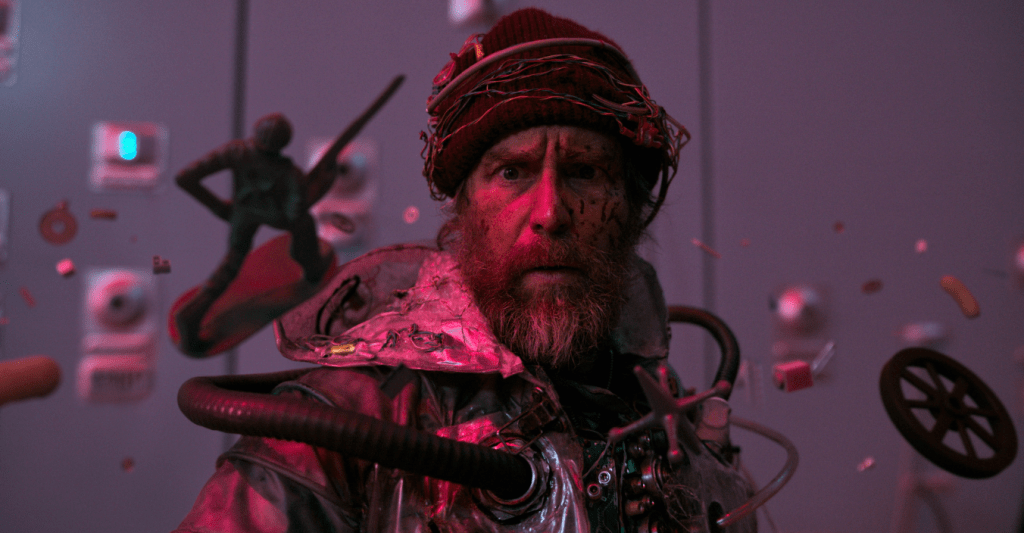
For a comeback like this, it’s especially exciting to see the cast Verbinski has assembled. Sam Rockwell and Zazie Beetz are two of my favorite actors working today, and when you factor in the rest of the supporting cast, it’s clear that the talent in front of the camera still has faith in a visionary filmmaker like Verbinski—one who’s less interested in playing it safe and more interested in delivering something we haven’t seen before. While the story didn’t originate with Verbinski himself, it’s easy to understand why a filmmaker like him would be drawn to Matthew Robinson’s script.
If you’ve read my other reviews, you know I make a point to avoid trailers whenever possible. I’m a cinephile—you don’t need to sell me with a preview. If the cast or the premise interests me, I’m in regardless. With that in mind, the film opens exactly as I expected, beginning with Rockwell’s introduction. It’s a brilliant opening that immediately establishes the film’s comedic and sci-fi tone while efficiently introducing the characters. From there, the narrative jumps back and forth in time to provide additional perspective, a structural choice that may not have ultimately served the film as well as intended.
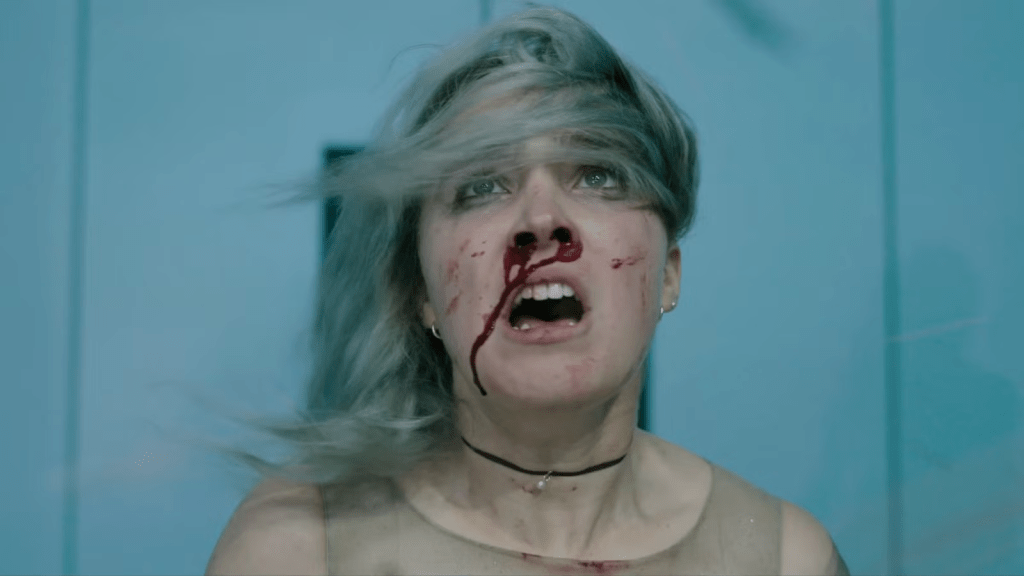
There’s nothing inherently wrong with the scenes that cut back in time—it’s more about how they’re placed within the story. Rockwell’s introduction at the beginning works well, but the film might have benefited from presenting all the characters’ perspectives before moving forward in real time. The first half is largely devoted to these backstories, and just as things start to pick up with Rockwell’s character, the narrative keeps cutting back to other characters’ histories. This choice disrupts the momentum and pacing, making the film feel even longer than it already is. A more effective approach might have been to show all the backstories first, then reintroduce Rockwell’s character somewhere in the middle, allowing the story to build more naturally.
The performances are consistently strong, helping to match the zany and offbeat tone the film aims for. Rockwell is perfectly cast as a lead who is both confident and conflicted about his mission. Haley Lu Richardson brings surprising depth to her role, making her presence feel especially impactful. Juno Temple is compelling as a character grappling with grief and desperation. My main disappointment lies with Michael Peña and Zazie Beetz—their characters matter early on, but the film struggles to give them much purpose beyond that, which is a missed opportunity given their talent.

It’s easy to see why Verbinski was drawn to the script. In a world where A.I. seems to be expanding with little oversight, the story taps into a sense of uncontrollable forces at play. The film leans into that idea, emphasizing that meaningful change comes through people and community. It also demands a particular visual tone and style—one that Verbinski has clearly mastered. He isn’t just making the film entertaining through its events; he’s using the story and visual language to make you think more deeply about its themes.
From the backstories to the action-packed journey, everything builds toward a third act that asks the audience to accept it on its own terms and appreciate it for what it is. The visual effects, while ambitious, don’t quite match the polish of Verbinski’s previous work and could have benefited from more time and resources. Yet there’s a certain charm that allows the film to stand out and even hints at the potential for cult-classic status. That said, just as the story is about to wrap up, a creative misdirect lands as both rushed and underdeveloped. Given the film’s already lengthy runtime, a more concrete resolution would have made the ending far more emotionally satisfying.
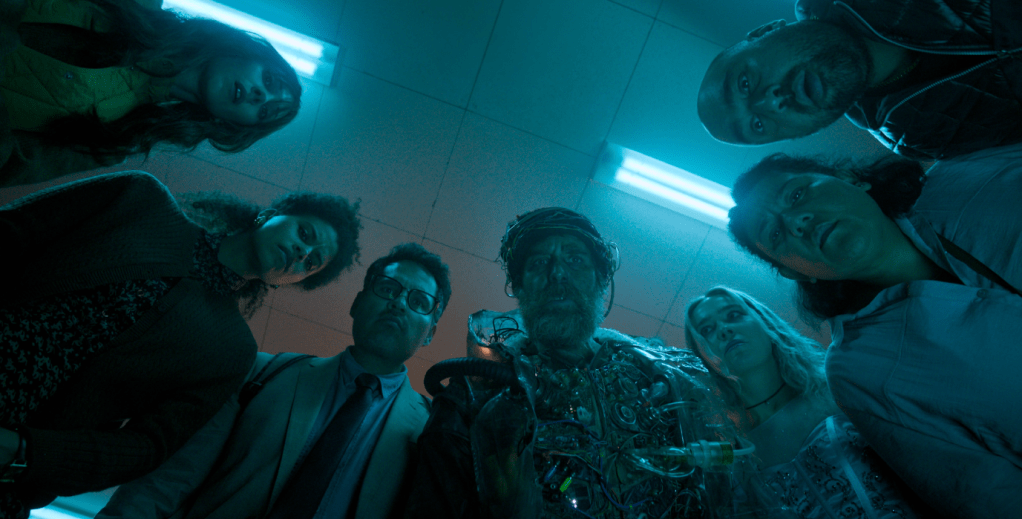
Overall, Good Luck, Have Fun, Don’t Die is an enjoyable ride, with its strengths slightly outweighing its shortcomings. The cast hits the right tone under Verbinski’s energetic direction, bringing life to a film that explores its themes in a way that will linger long after the credits roll. The pacing and structure sometimes make the film feel longer than it is, and the visuals don’t quite match the polish you might expect from a Verbinski project—but even so, I’m glad this film exists. I genuinely hope Verbinski is back to making movies for good.
VERDICT: 3/5 – Good


 The Creative Cinematic Collection
You must be logged in to post a comment.