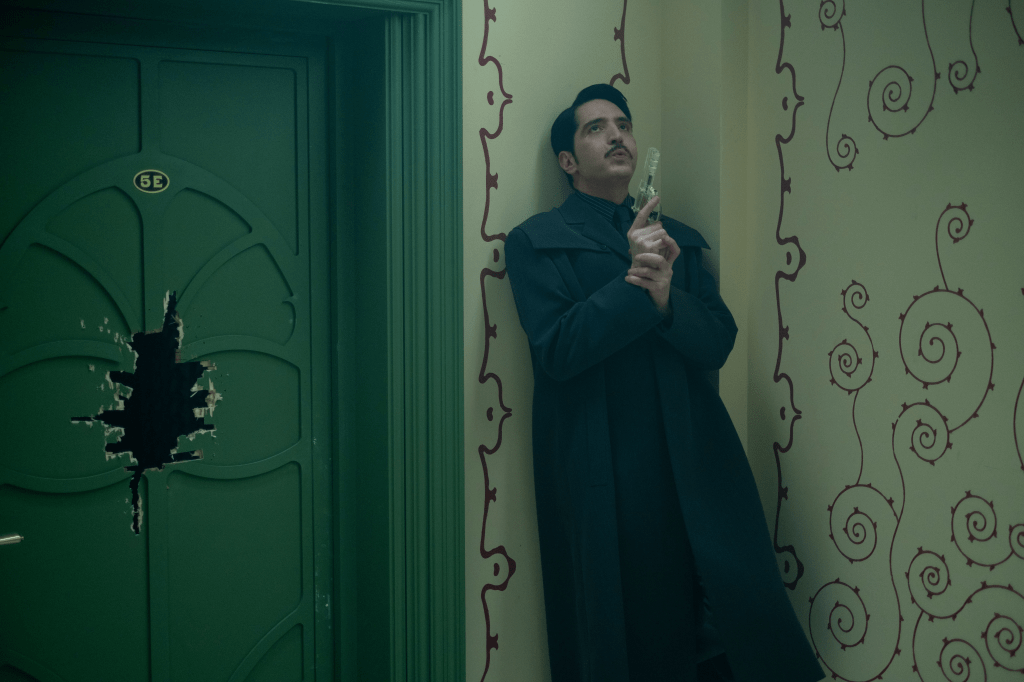
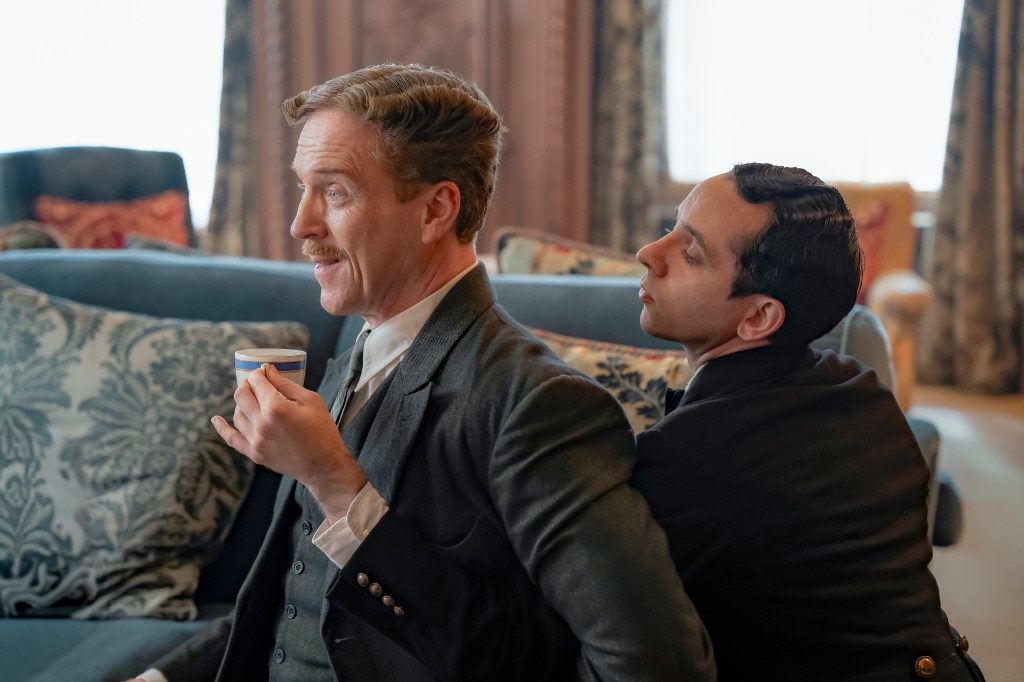
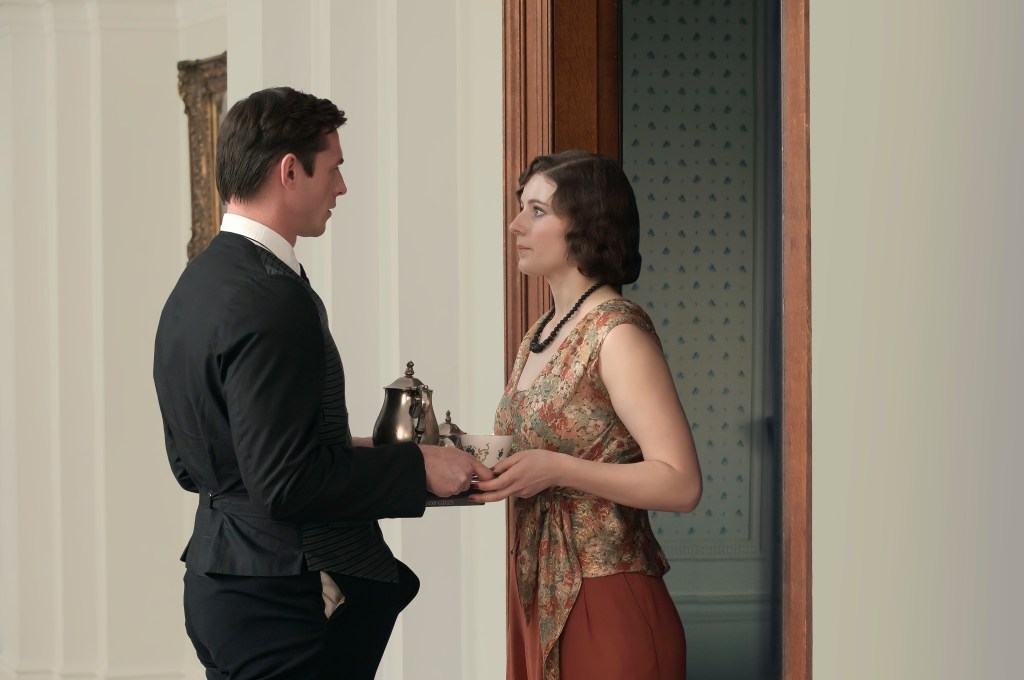
Wake Up Dead Man is the third installment in the Knives Out series, now streaming on Netflix. Written and directed by Rian Johnson, the film stars Daniel Craig, Josh O’Connor, Glenn Close, Josh Brolin, Mila Kunis, Jeremy Renner, Kerry Washington, Andrew Scott, Cailee Spaeny, Daryl McCormack, and Thomas Haden Church. When young priest Jud Duplenticy is sent to assist the charismatic but troubled Monsignor Jefferson Wicks, it quickly becomes clear that all is not well in the pews. After a sudden and seemingly impossible murder shakes the town, the lack of an obvious suspect leads local police chief Geraldine Scott to team up with the legendary detective Benoit Blanc, tackling a mystery that defies all logic.
I had been eagerly anticipating the latest Benoit Blanc mystery from Rian Johnson for quite some time, and it’s hard to believe we now have three films in just six years. The first two installments were among my favorite films of their respective years. While third entries in a series often fall short, Johnson defies expectations, delivering a thrilling, hilarious, and thought-provoking addition that stands proudly alongside its predecessors.
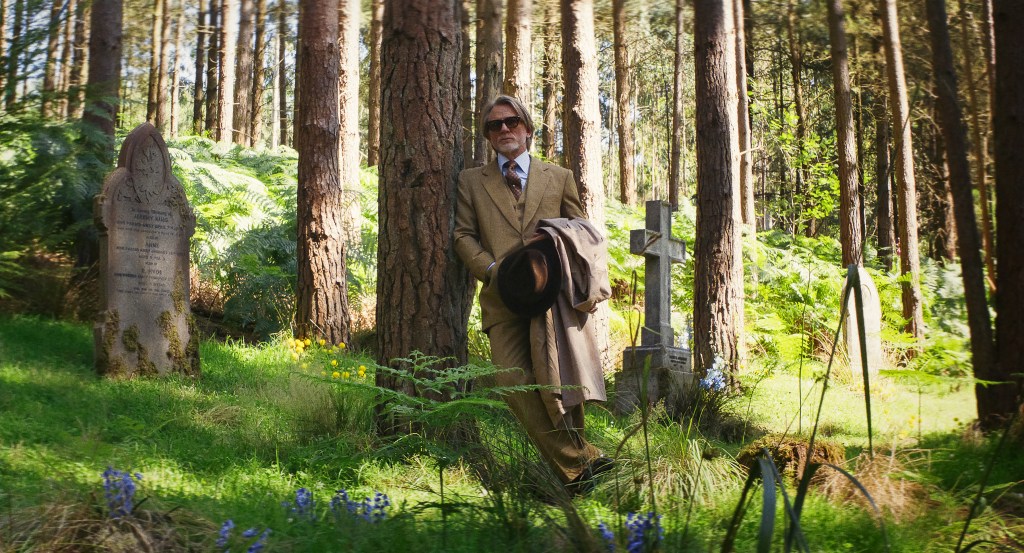
Wake Up Dead Man is the longest film in the franchise so far, which almost feels hard to believe. Despite its extended runtime, it still very much plays like a film you’d expect from this series, yet its identity feels unlike anything that came before it. All the familiar ingredients are present—from the ensemble cast to the central mystery—but structurally, the film offers something distinctly different. Rian Johnson takes bolder creative risks here, giving the film a clear sense of individuality and allowing it to stand on its own rather than inviting constant comparison to its predecessors.
Much like Ana de Armas and Janelle Monáe in previous entries, Josh O’Connor serves as the singular supporting cast member who effectively functions as the lead in this standalone story. The first hour unfolds largely from his point of view, which is the primary reason the film stretches to become the longest in the franchise. Watching it on Netflix upon release, it became especially noticeable that Daniel Craig doesn’t truly enter the narrative until around the 40-minute mark. While this extended prologue can feel lengthy, it remains compelling throughout. In fact, despite its record runtime, the film is paced remarkably well. If Rian Johnson continues making these films—and even pushes each one to be longer—I have full confidence he’ll keep them engaging and never let them become dull.
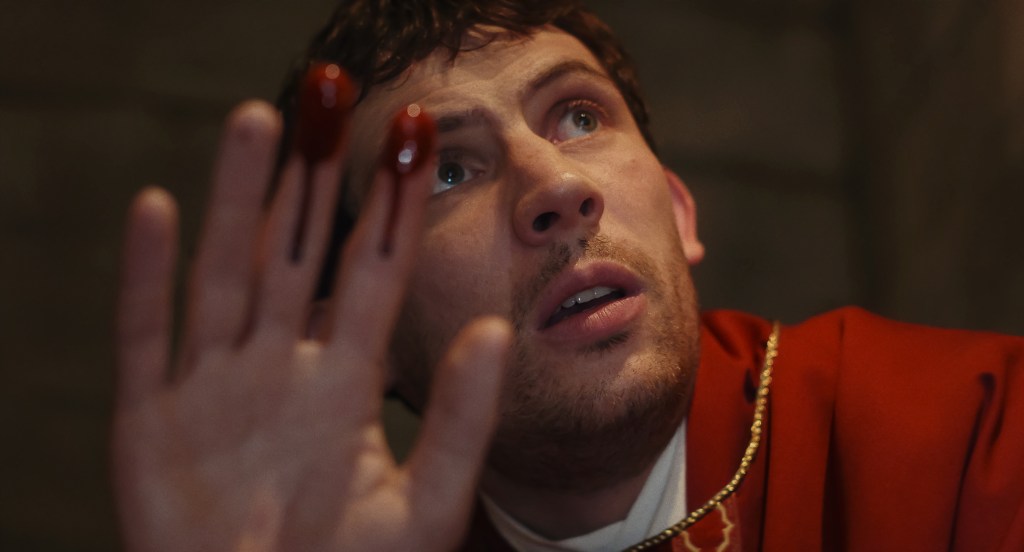
As he moves further away from his time as James Bond, Daniel Craig seems to have settled into a new role—one I hope he continues to inhabit for a long time. Given the current uncertainty surrounding how both he and Rian Johnson feel about Netflix’s theatrical rollout, the future of the franchise feels unclear. If this does end up being the final entry, I’m still left satisfied. This may be Craig at his funniest, and perhaps his most vulnerable, as he navigates a murder rooted in religion—something his character notably lacks. Several of his one-liners are genuinely memorable and still live rent-free in my head.
While this may not be my favorite ensemble of the franchise, it’s still a strong one overall. Josh O’Connor is terrific in his role; the fact that he’s released four films this year, including this one, yet still commands such a strong presence here is genuinely impressive. The rest of the cast largely does solid work with what they’re given, though not all of the characters feel equally well written. Given that this marks Jeremy Renner’s first role since his near-fatal accident, I was expecting more from his character. Cailee Spaeny is good in the role, but her character lacks the moral complexity afforded to others. As for Mila Kunis, her casting never quite clicked for me—the role calls for a level of grit that she ultimately doesn’t bring.

I don’t know how Rian Johnson has managed to craft such consistently well-written mysteries in the span of just six years. From the dialogue to the characterization to the reveals, it’s hard to believe he continues to pull it off largely on his own. I like to imagine that his time between Looper and The Last Jedi was spent quietly developing these stories, locking them away until the right moment. Every frame feels meticulously planned—so much so that when the reveals finally land, you’re stunned by what you failed to notice in plain sight. That level of precision is also what keeps the film engaging, even with its lengthy runtime.
The film is also rich with religious themes. Despite everything thrown his way, O’Connor’s character never has his faith shaken; instead, it grows stronger through the turmoil. That progression gives him a satisfying arc, allowing him to fully become the priest he needs to be by the film’s conclusion. In contrast, Craig’s Benoit Blanc is notably respectful of religion despite not being religious himself. This is reflected in small but telling moments—from his patience in allowing O’Connor to pray with others to his reluctance to attend services he knows won’t personally resonate with him. These thematic layers give audiences more to contemplate beyond the mechanics of the central mystery.

Overall, Wake Up Dead Man is probably my least favorite of the three, but given the amount of praise I still have for it, that only speaks to how consistently strong this franchise remains under Rian Johnson’s direction. The cast is largely excellent, the reveals are the most shocking—and arguably the most dangerous—the series has offered, and the humor still lands. I’m genuinely grateful to have another entry in this franchise to enjoy this holiday season.
VERDICT: 4.5/5 – Amazing

















 The Creative Cinematic Collection
You must be logged in to post a comment.