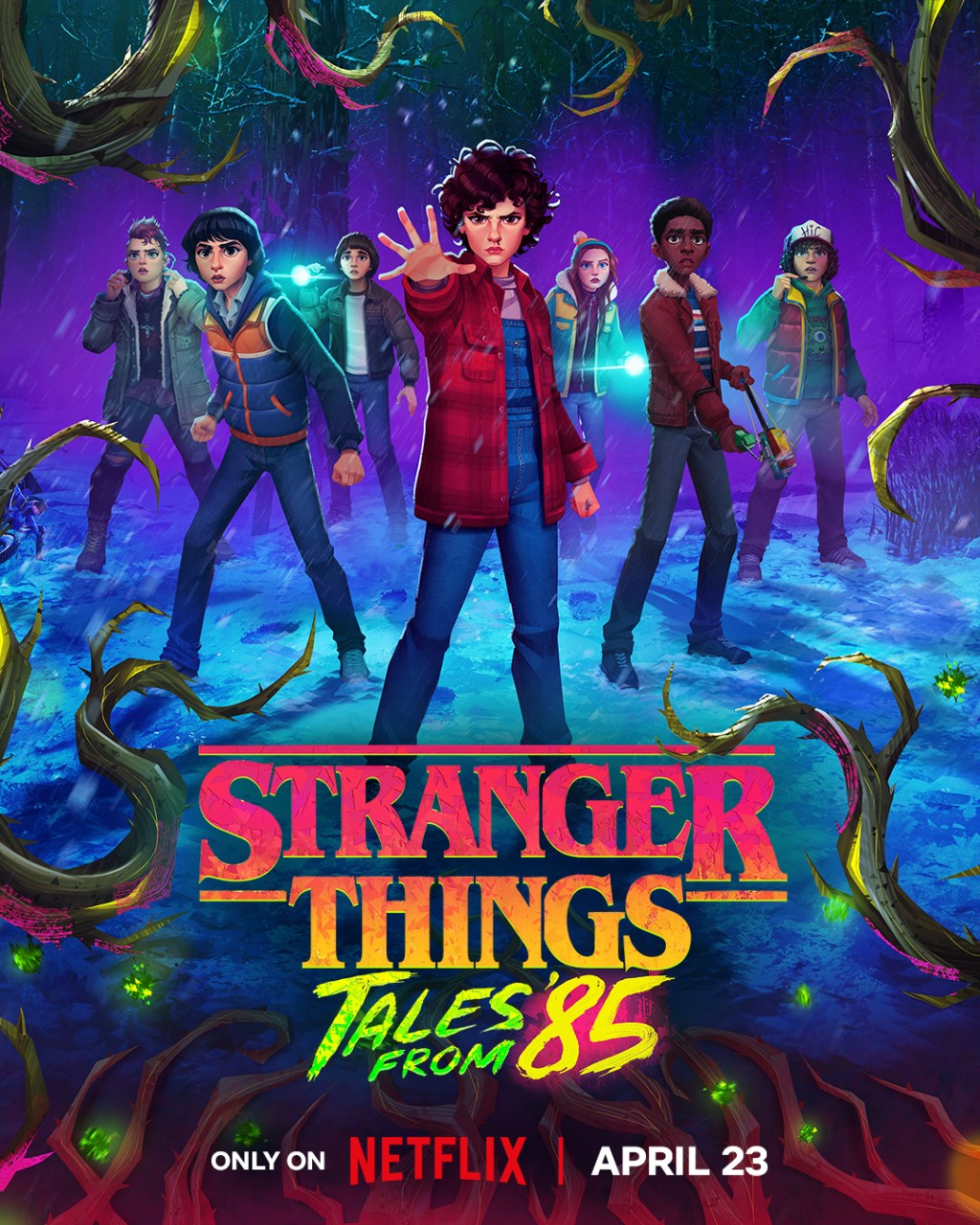
Stranger Things: Tales from ’85 is a new animated spin-off set in the world of Stranger Things, with all 10 episodes now streaming on Netflix. Developed by Eric Robles, the series features voice performances from Brett Gipson, Luca Diaz, Brooklyn Davey Norstedt, Braxton Quinney, Elisha Williams, Benjamin Plessala, Jolie Hoang-Rappaport, Jeremy Jordan, and Odessa A’zion.
In the winter of 1985, snow blankets the town, and the horrors of the Upside Down are finally fading. Our heroes Eleven, Mike, Will, Dustin, Lucas, and Max have settled back into a normal life of D&D, snowball fights, and quiet days. But beneath the ice, something terrifying has awakened. Could it be from the Upside Down? From the depths of Hawkins Lab? Or from somewhere else entirely? Our heroes must race to solve this mystery and save Hawkins in this new story set in the Stranger Things universe.
Set four months after the events of Stranger Things, this animated spin-off returns to Hawkins in the winter of 1985, filling in the gap between Season 2 (released in 2017) and Season 3 (released in 2019). Even without revisiting the original series since those initial releases, the key moments remain easy to recall—proof of how firmly the story left its mark.
At first glance, the project might feel like an attempt to extend the franchise’s lifespan, revisiting familiar territory rather than breaking new ground. But that assumption doesn’t fully hold. The spin-off brings a surprising level of creativity and stylistic flair, offering a fresh lens on a well-trodden timeline. Still, it’s hard not to wonder if that same energy might have been even more impactful with an entirely new story and cast of characters.
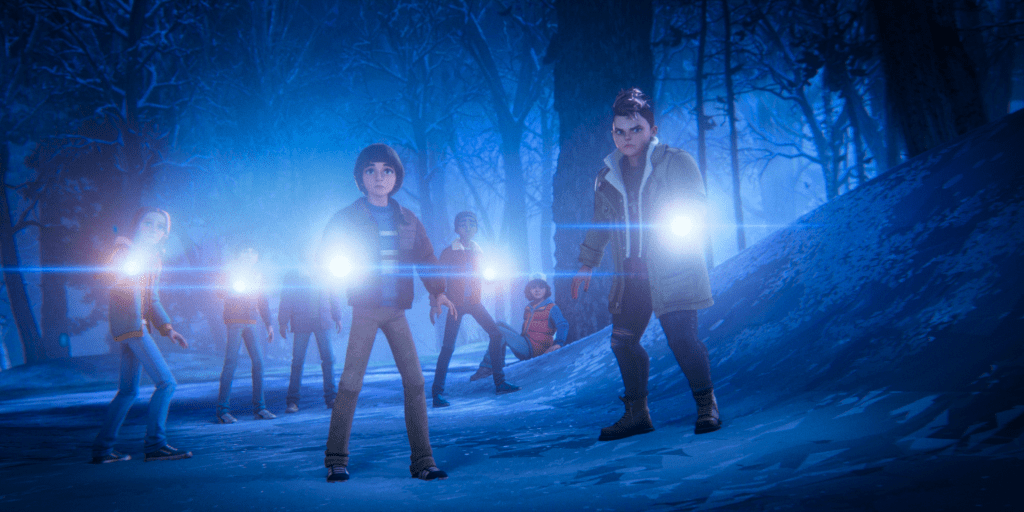
Right away, the animation is hard to look away from. It evokes the offbeat charm of Monster House, blended with the bold, comic-inspired style popularized by Spider-Man: Into the Spider-Verse. The result is visually striking, even if it isn’t always consistent—there are moments where it feels a bit rushed. Still, there’s something undeniably nostalgic about it. It taps into the kind of stylized, slightly edgy animation that would have felt right at home in a childhood favorite, and in that sense, it carries a strong sense of playful immersion. More than anything, it feels like an intentional effort to connect with a younger generation—standing on its own stylistically while continuing to expand the broader story’s lore.
The show’s biggest hurdle is expanding the story without stepping on what’s already been established in Stranger Things. Because it sits squarely between Seasons 2 and 3, every new plot point has to thread a very tight needle—adding depth without creating contradictions. It’s also unclear whether this is meant to stand as a one-off miniseries or something that could continue beyond this initial run.
That tension becomes most noticeable with the introduction of Nikki Baxter, voiced by Odessa A’zion. She’s a compelling addition, but the way her story unfolds raises more questions about how everything cleanly connects to Season 3. Rather than clarifying the timeline, her presence slightly muddies it.
Because of that, it’s easy to imagine how this might have worked better as a fully standalone story with new characters, free from the constraints of existing canon. Alternatively, releasing something like this before Seasons 2 and 3 could have served as a stronger bridge—drawing in new viewers while giving longtime fans a satisfying expansion without complicating what comes next.
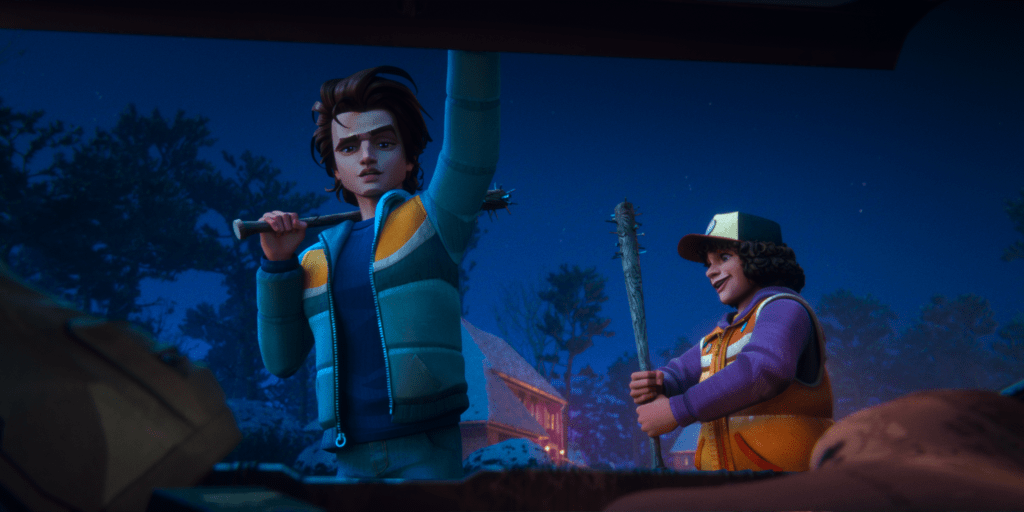
Even though the series follows the same core group from Stranger Things, the voice cast is entirely new, with actors tasked with matching the tone and energy fans already associate with these characters. The results are mixed. Some performances—like Mike Wheeler, Dustin Henderson, and Steve Harrington—feel spot-on, capturing the cadence and personality almost perfectly. Others, particularly Jim Hopper and Eleven, sound noticeably different, which can pull you out of the experience.
That inconsistency makes it harder to stay fully immersed, especially when you already have a strong sense of how these characters should sound. It reinforces the idea that this might have worked more smoothly with an entirely new cast of characters. Still, when the performances do land, it’s genuinely impressive how closely the show manages to replicate such familiar voices.
The animated format gives the show room to narrow its focus, centering almost entirely on the core group from Stranger Things while placing other familiar faces in smaller roles—or leaving them out altogether. That streamlined approach plays to the franchise’s strengths, honing in on the character dynamics that made the original series so engaging in the first place.
With episodes running around 30 minutes, the pacing feels tight and energetic, echoing the momentum the live-action series is known for. And at just 10 episodes, the season moves briskly without overstaying its welcome, making it easy to stay invested from start to finish.
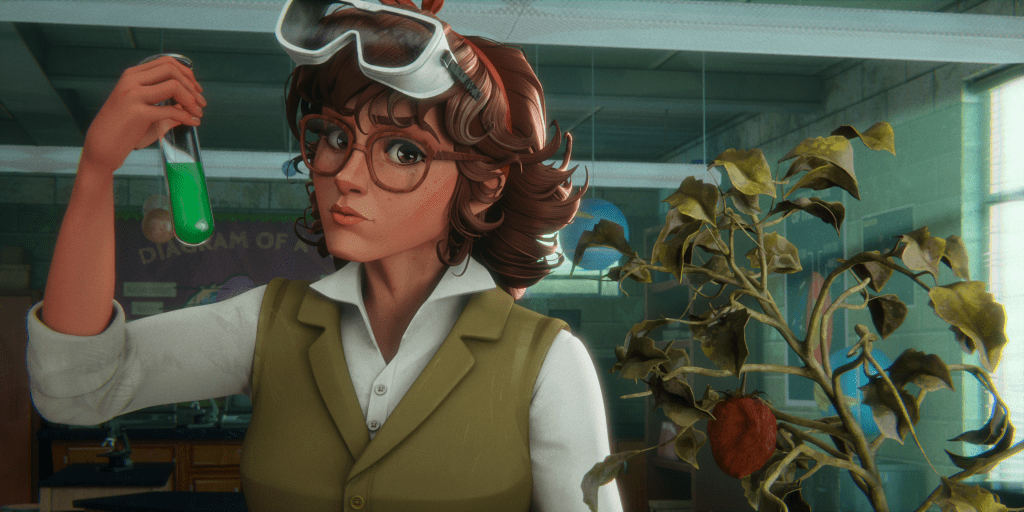
The show’s structure and pacing closely mirror what fans expect from Stranger Things, which helps it feel immediately familiar—but that familiarity can also work against it. The story leans heavily on recognizable patterns, with characters pairing off in ways that echo earlier dynamics, making parts of the journey feel a bit repetitive.
That carries into the finale, which is both predictable in how it unfolds and puzzling in how it fits into the larger timeline—especially given that the main group never references these events later on. It’s another reminder that, while the spin-off works within the established formula, it might have had more freedom—and impact—by telling a completely new story with an original cast of characters, or at the very least, give us a multi-verse type story.
Telling this story through animation works best when the scale ramps up. The medium allows for bigger, more exaggerated set pieces that would feel out of place in Stranger Things. In live action, some of these moments might come across as veering into Fast & Furious-level implausibility, especially given the sheer luck required for certain characters to make it through.
Within animation, that heightened style is easier to accept—but it can still clash with the grounded tone the original series established. As a result, while the spectacle often works on its own terms, it occasionally pulls you out of the continuity the main show worked hard to build.
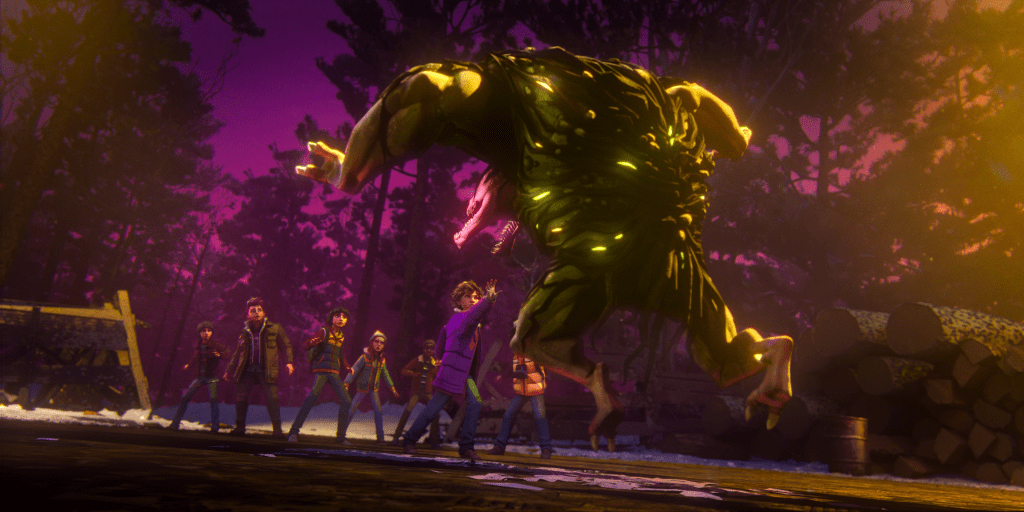
Overall, Stranger Things: Tales from ’85 manages to stand on its own, even if it occasionally contradicts or complicates elements of Stranger Things. The voice acting can be inconsistent, but when it clicks, it does an impressive job of capturing the spirit of these characters. Its familiar structure and pacing make it feel closely tied to the original, for better and for worse—at times reinforcing its place in the broader story, and at others highlighting its limitations.
Given where it now sits within the canon, it raises an interesting question about its future. This could function as a self-contained addition, or it might be the start of something ongoing. Either way, it leaves the door open to see whether this story continues or remains a one-off expansion of the world.
VERDICT: 3.5/5 – Pretty Good
 The Creative Cinematic Collection
You must be logged in to post a comment.